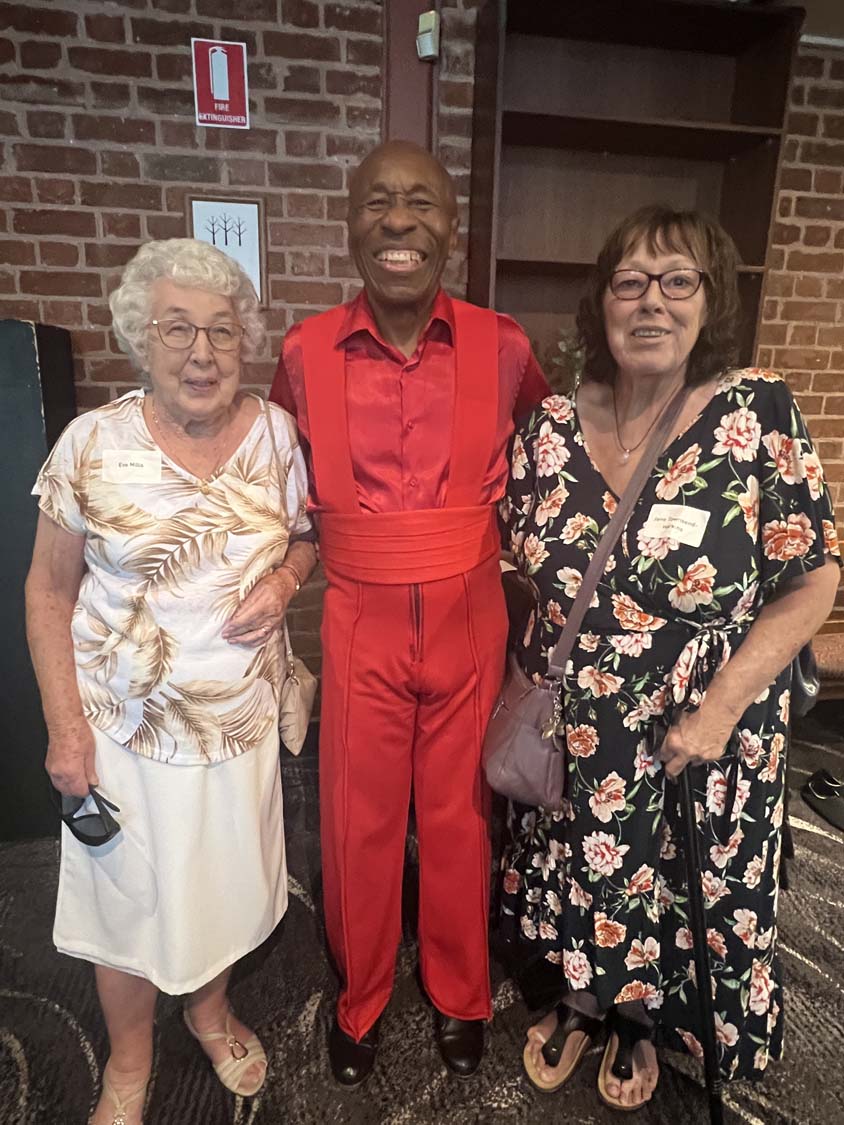
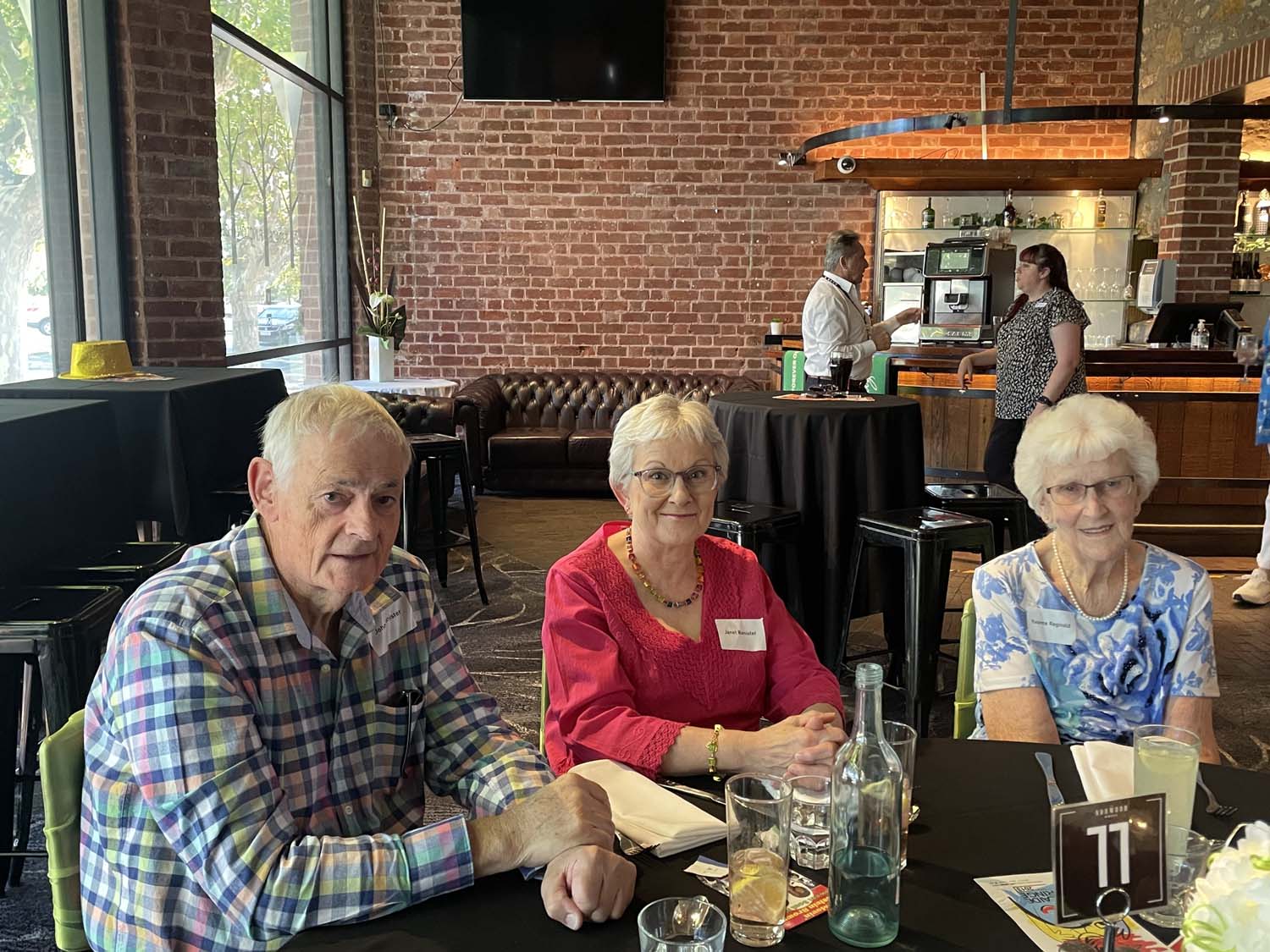
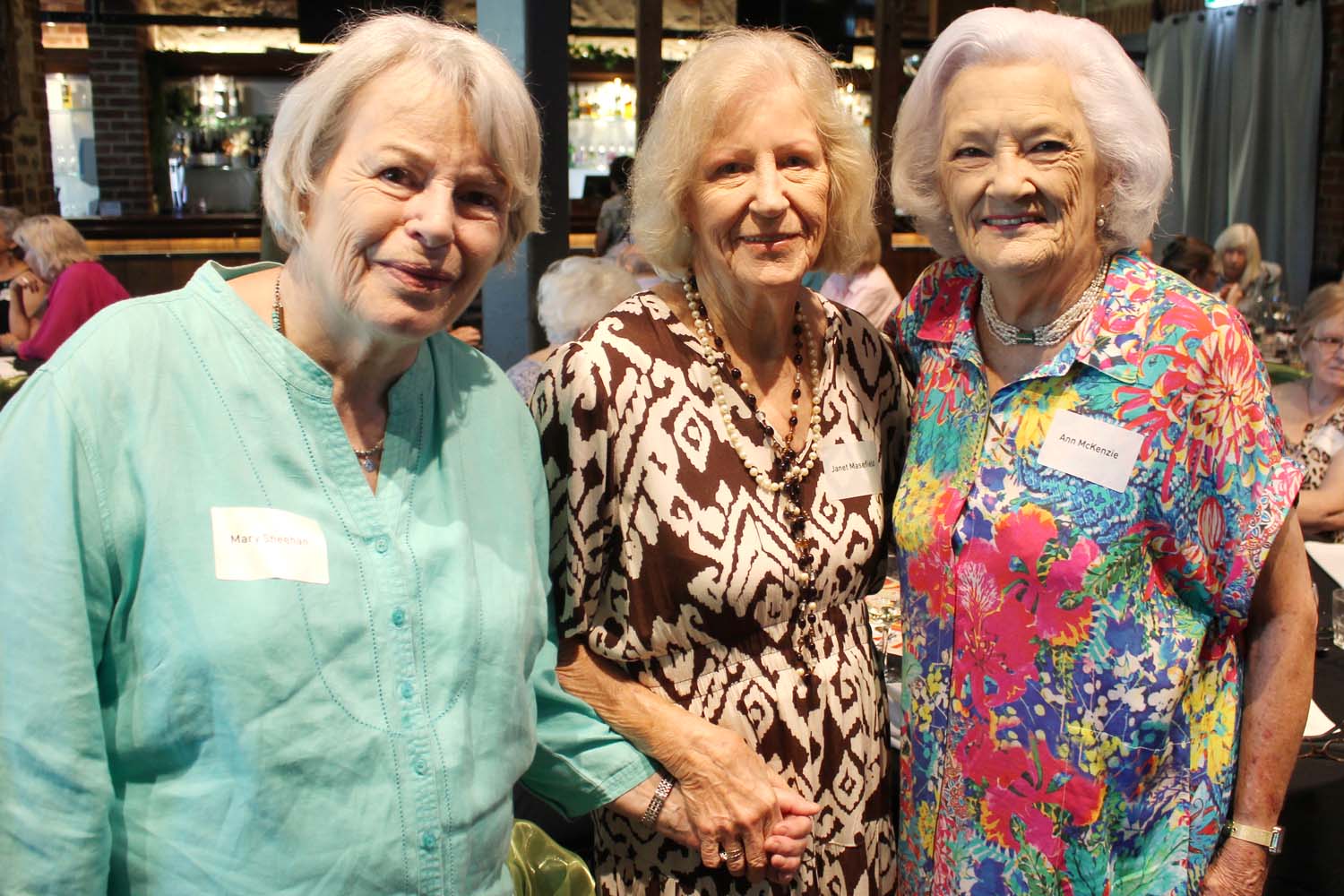
The retirement living and residential communities got into the spirit of Adelaide’s Festival Season in February, with a very special addition to the social calendar.
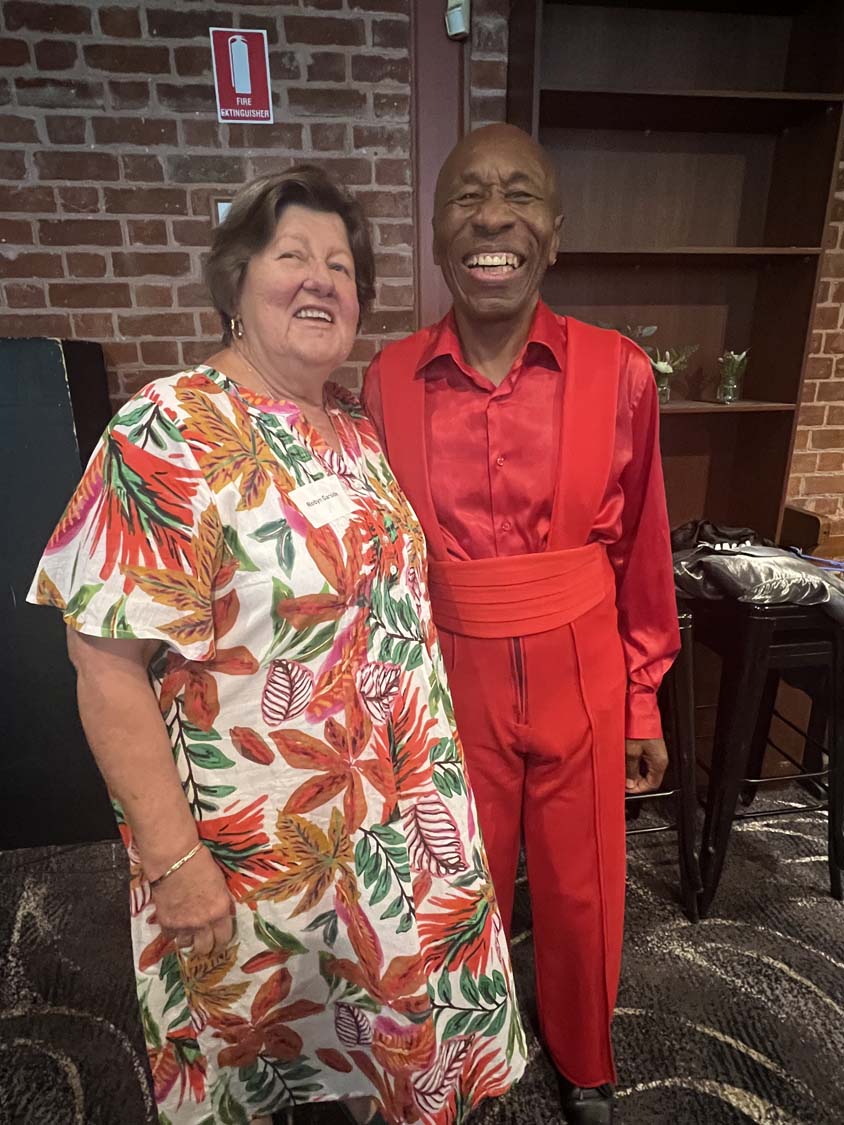
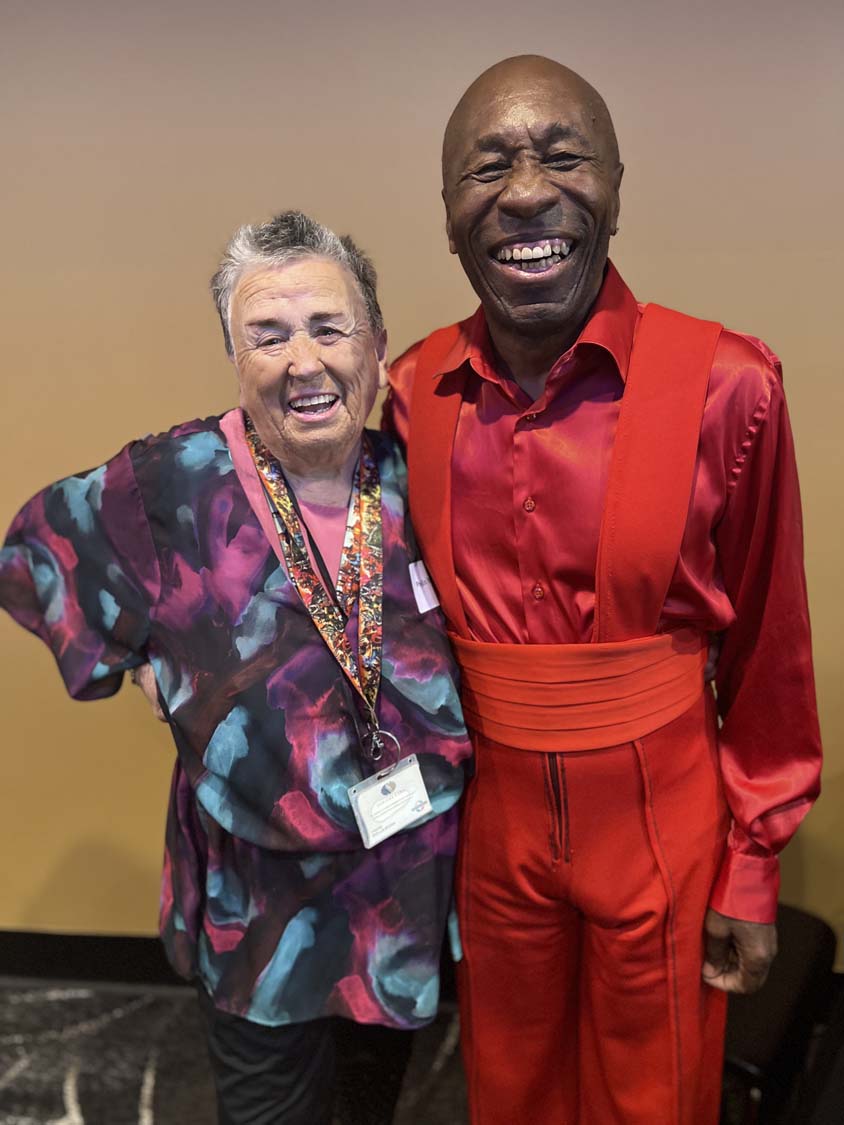
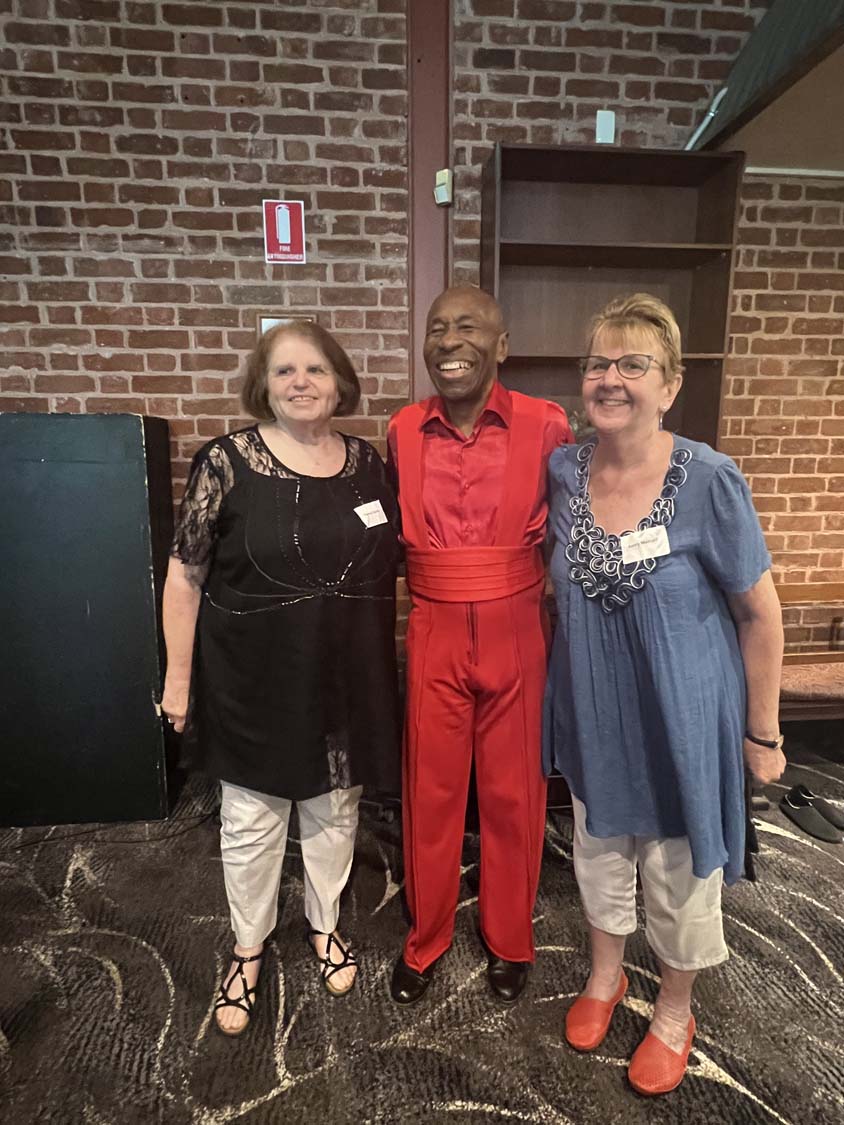
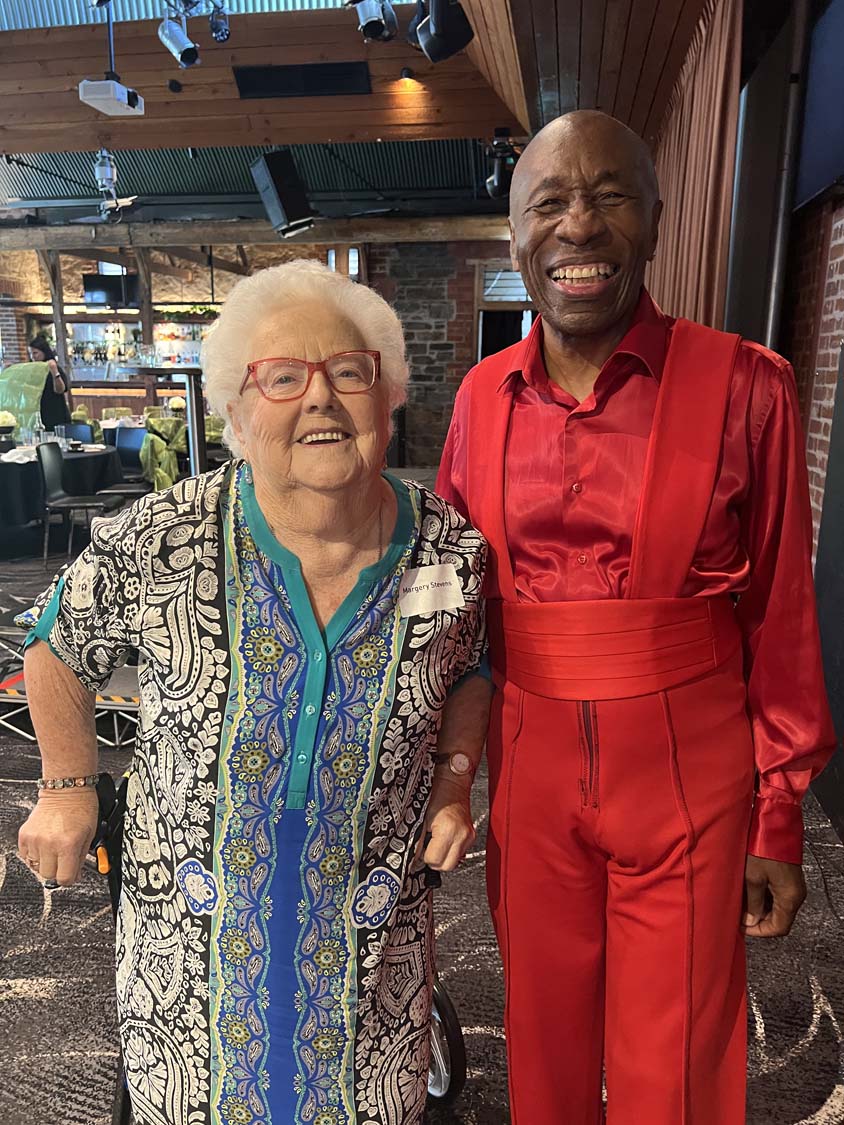
ACH Group had the privilege of presenting the one and only Movin’ Melvin Brown in the lead-up to his upcoming Australian premiere Fringe performance.
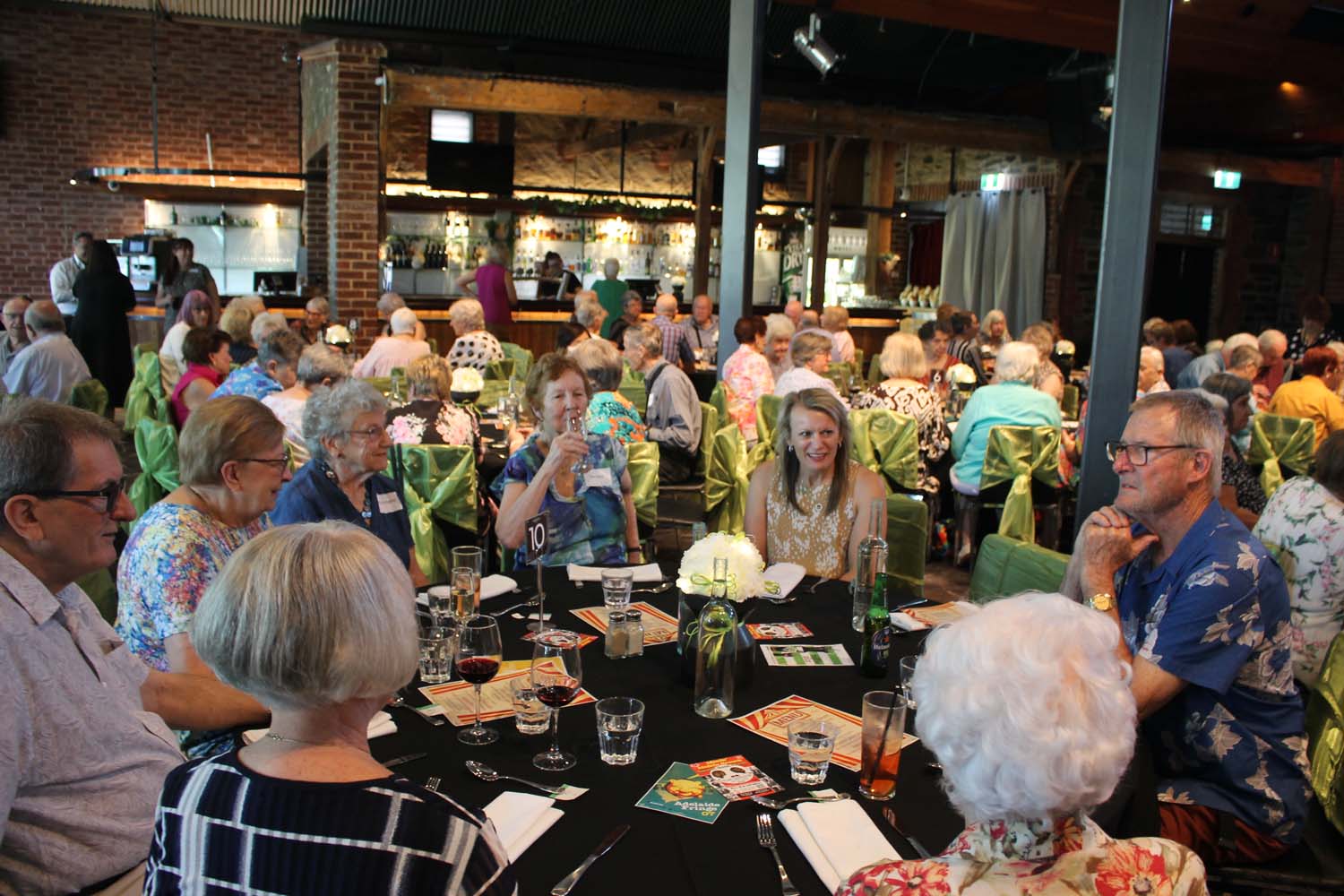
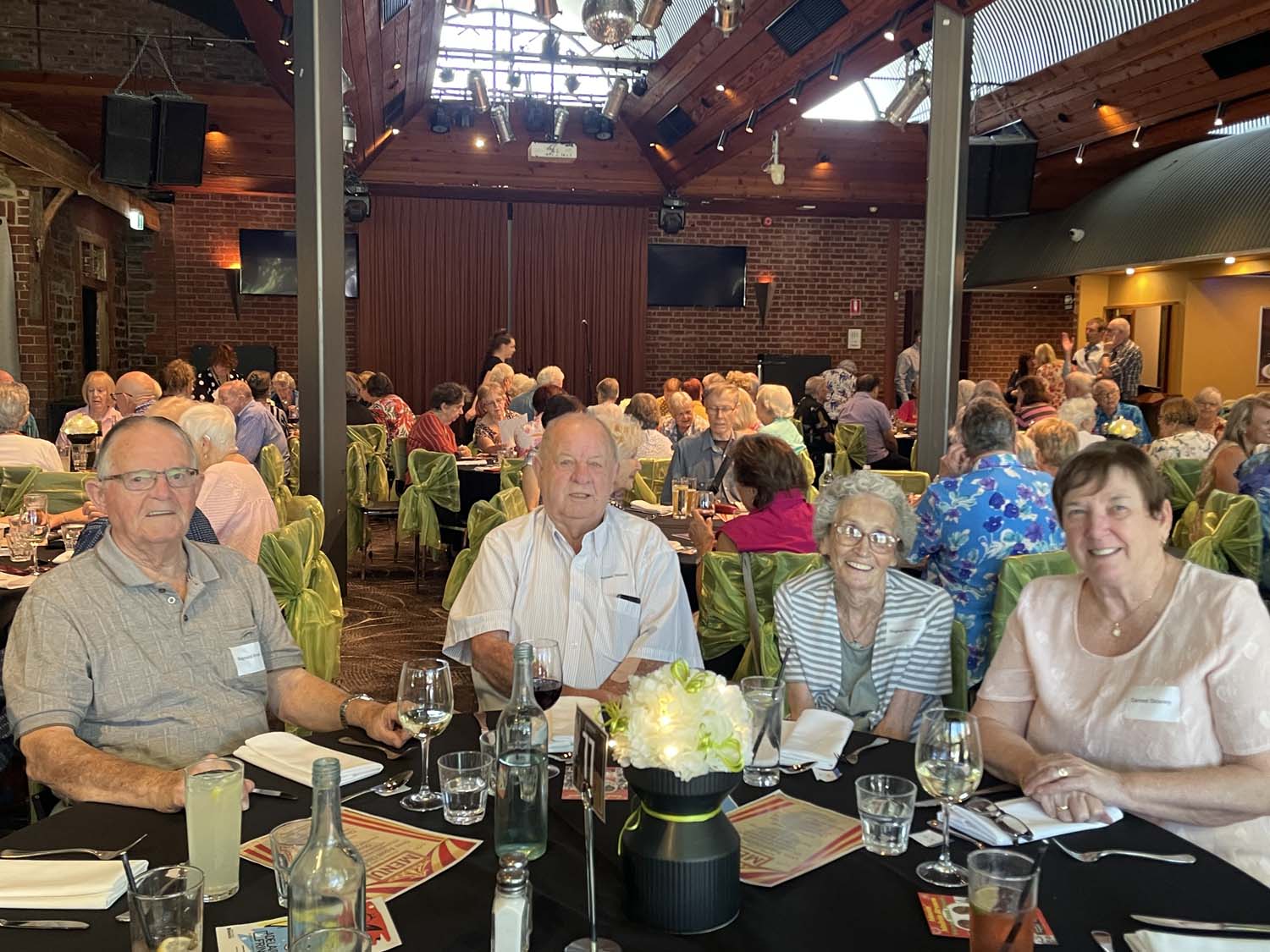
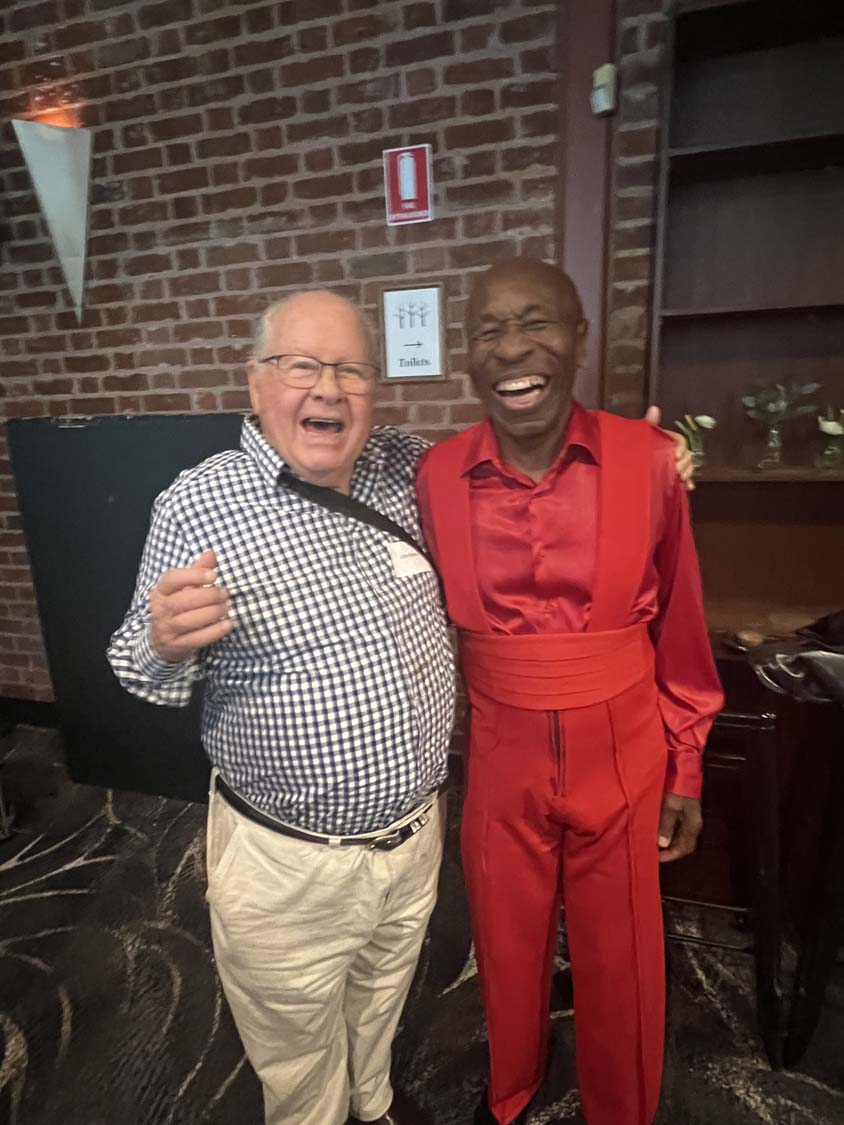
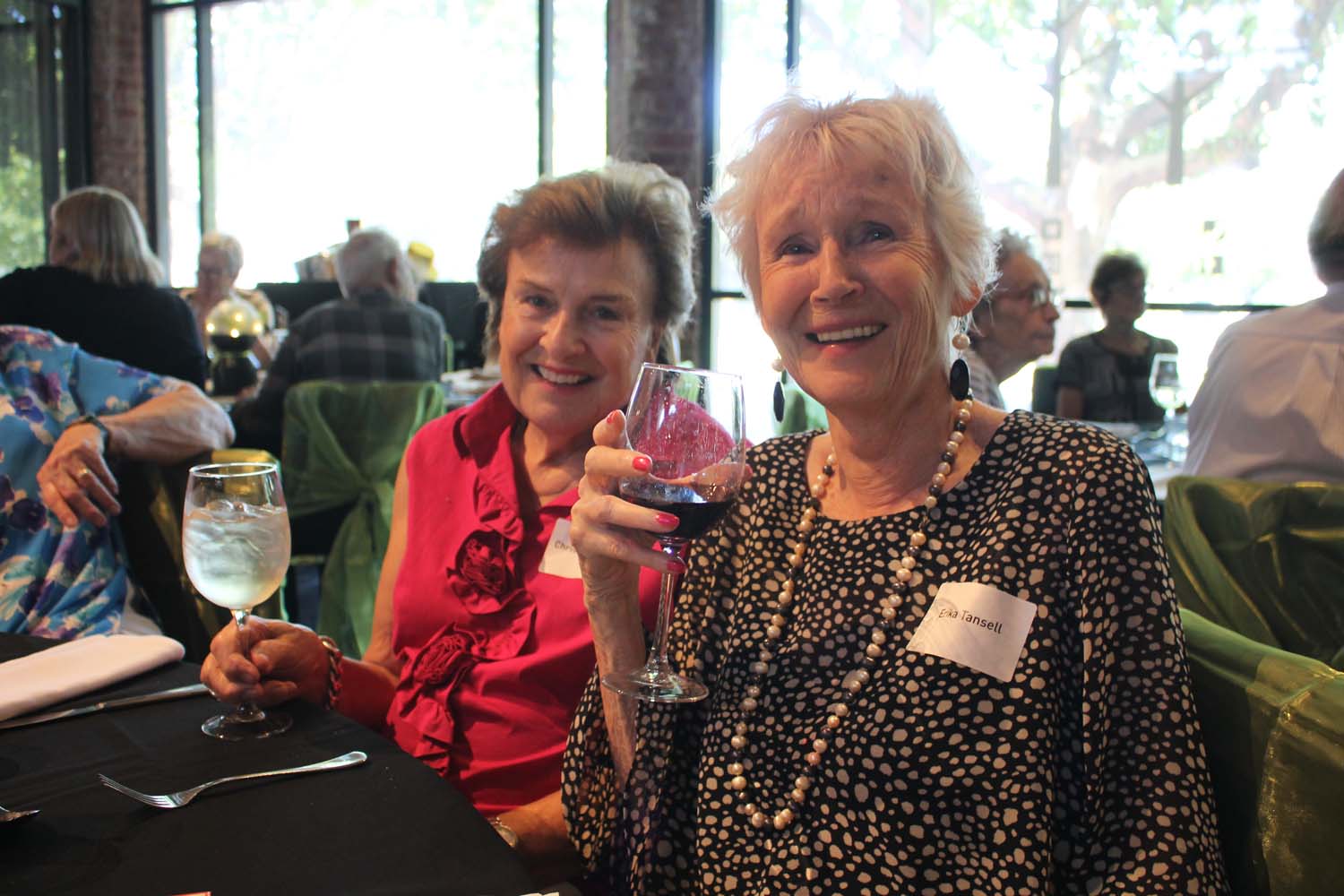
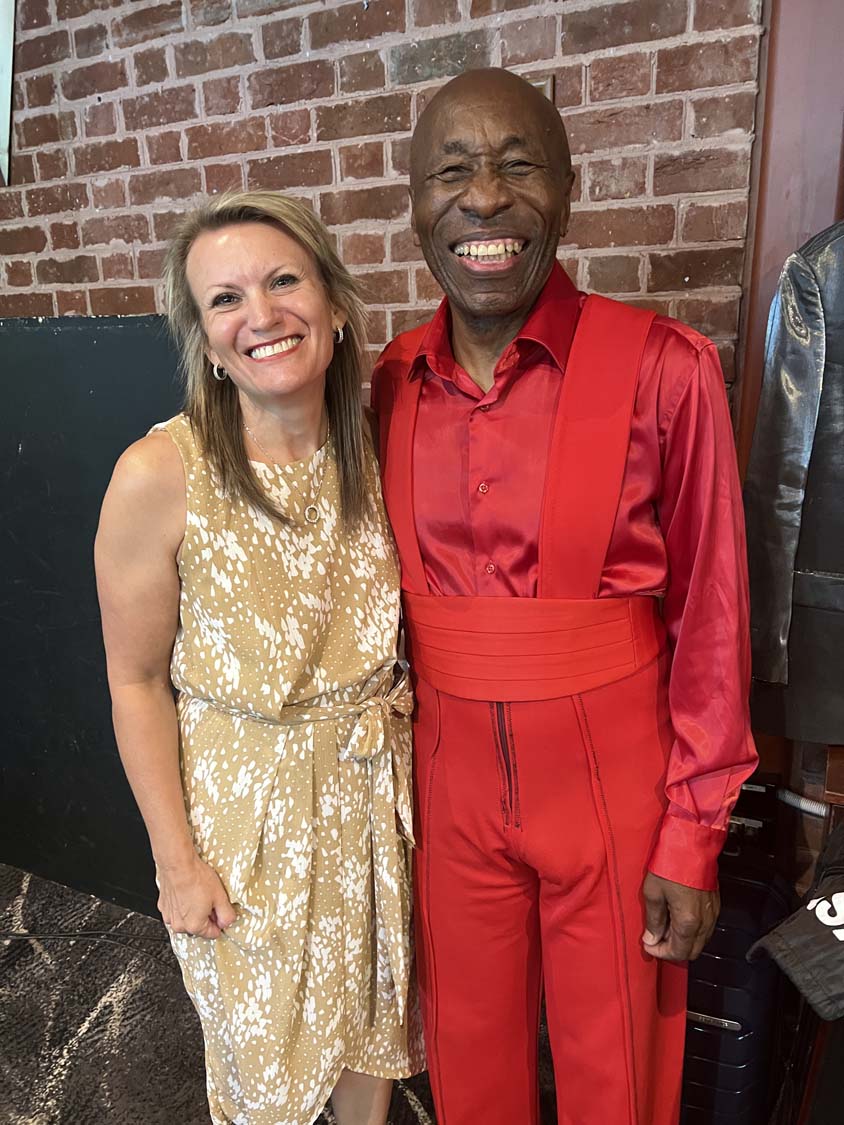
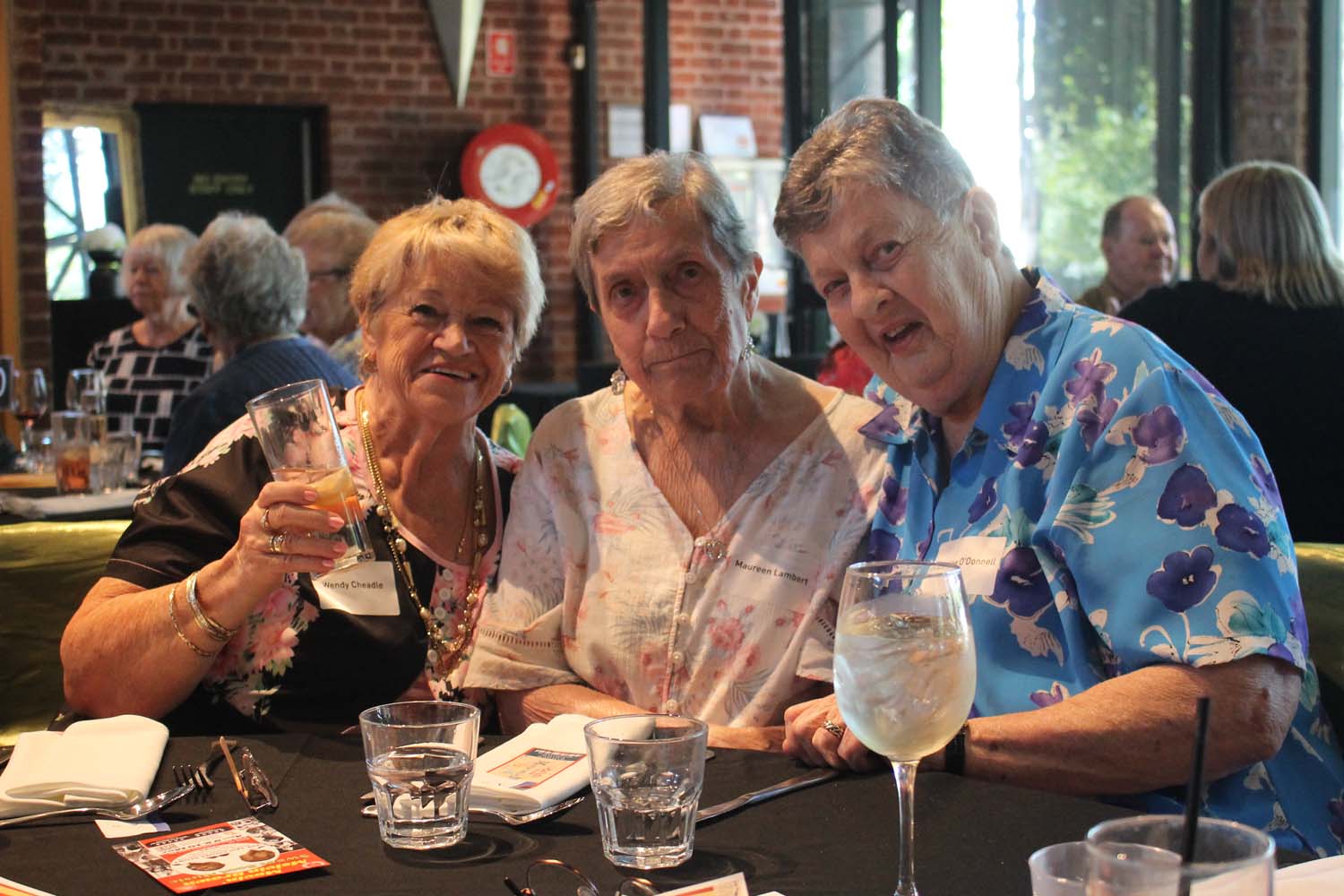
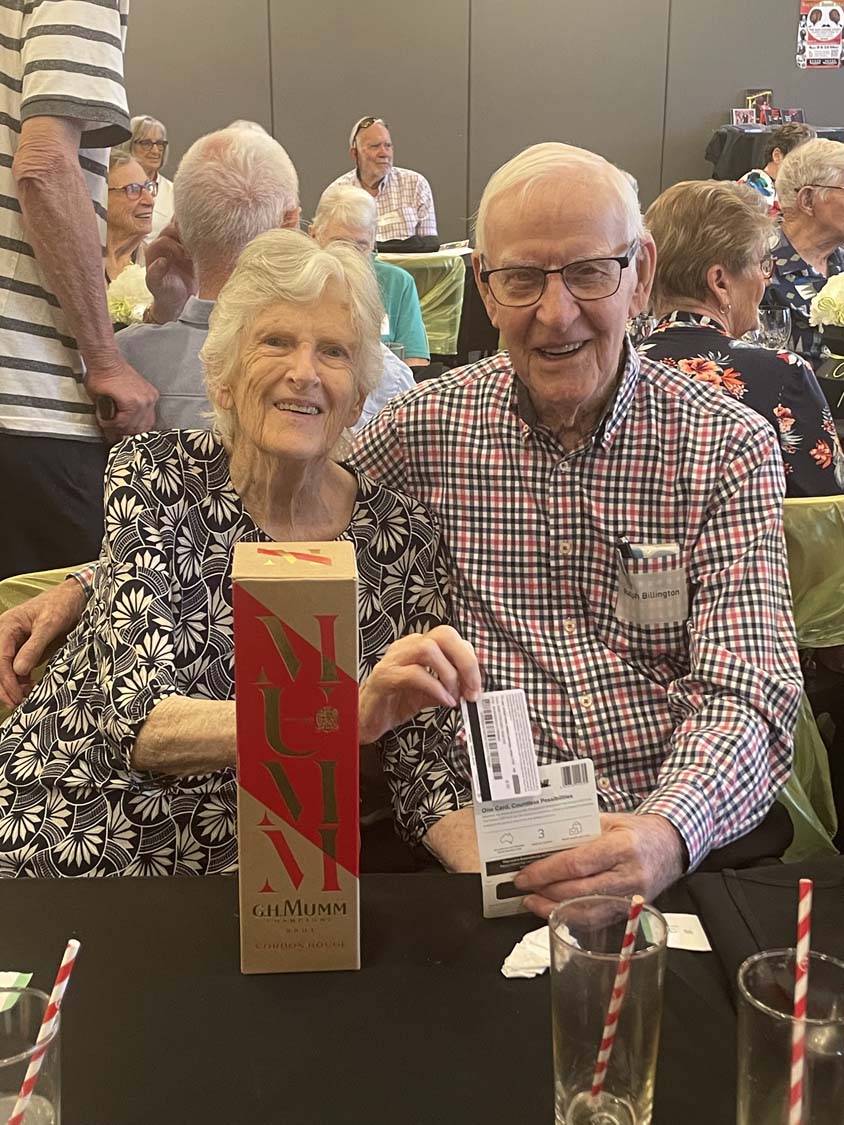
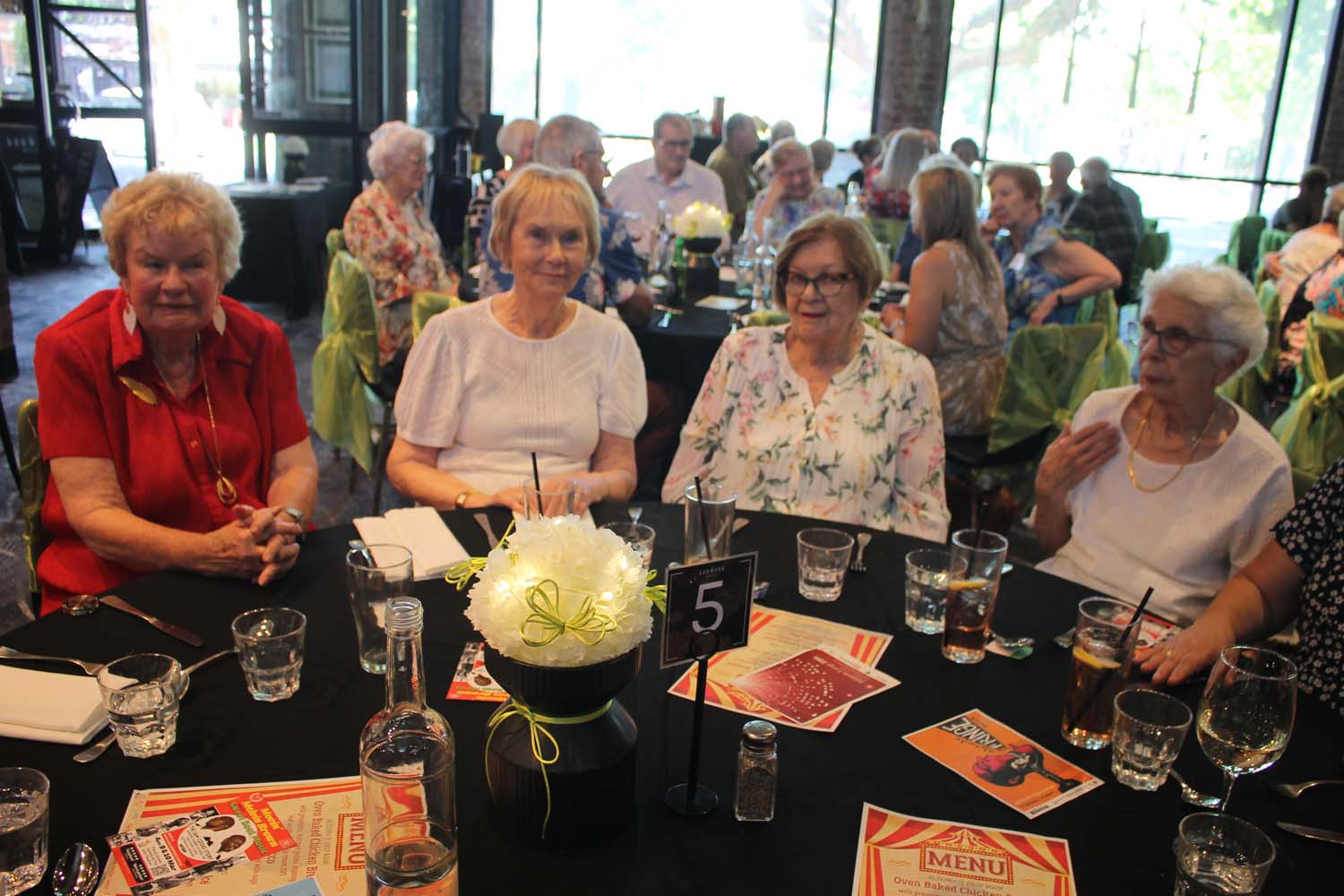
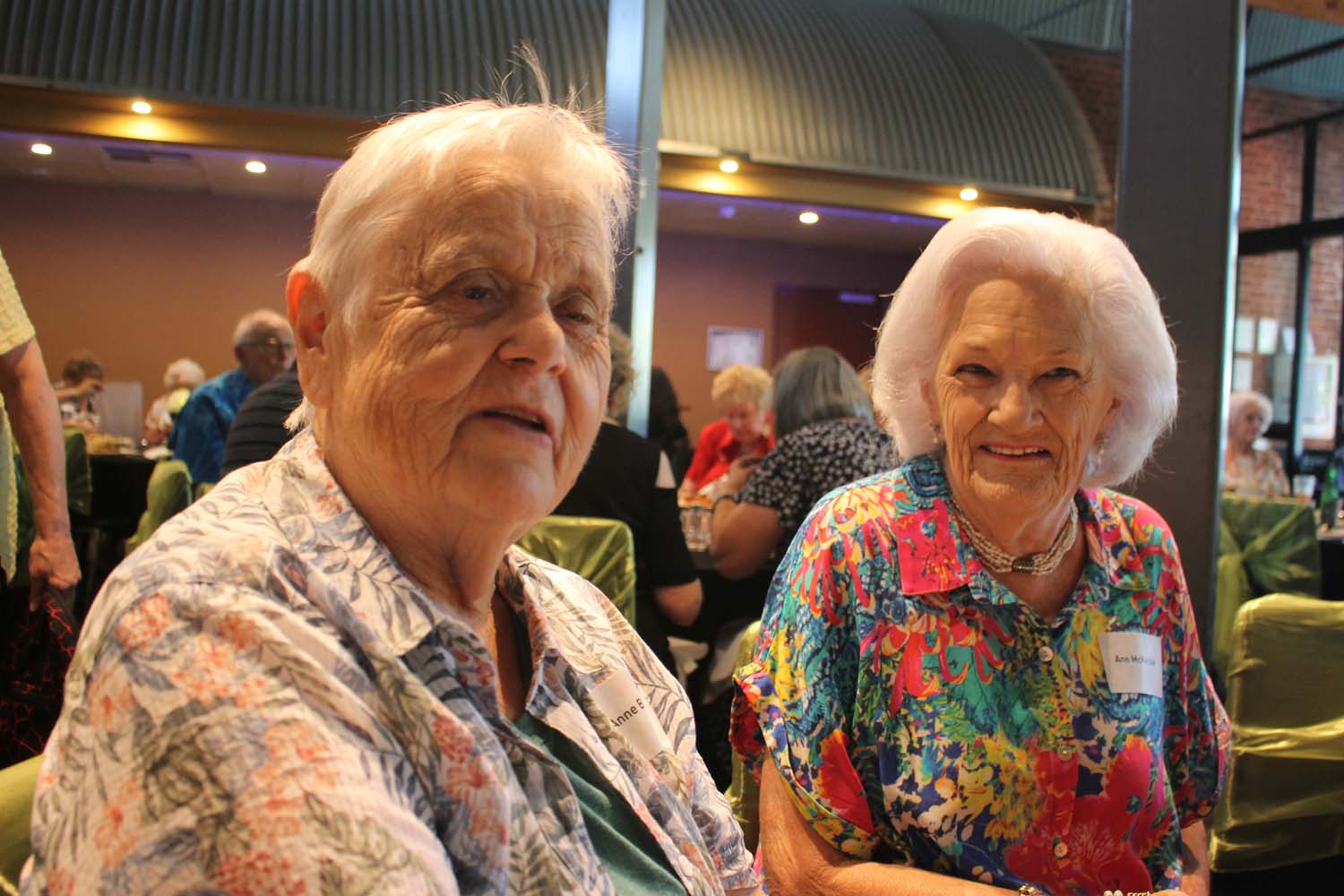
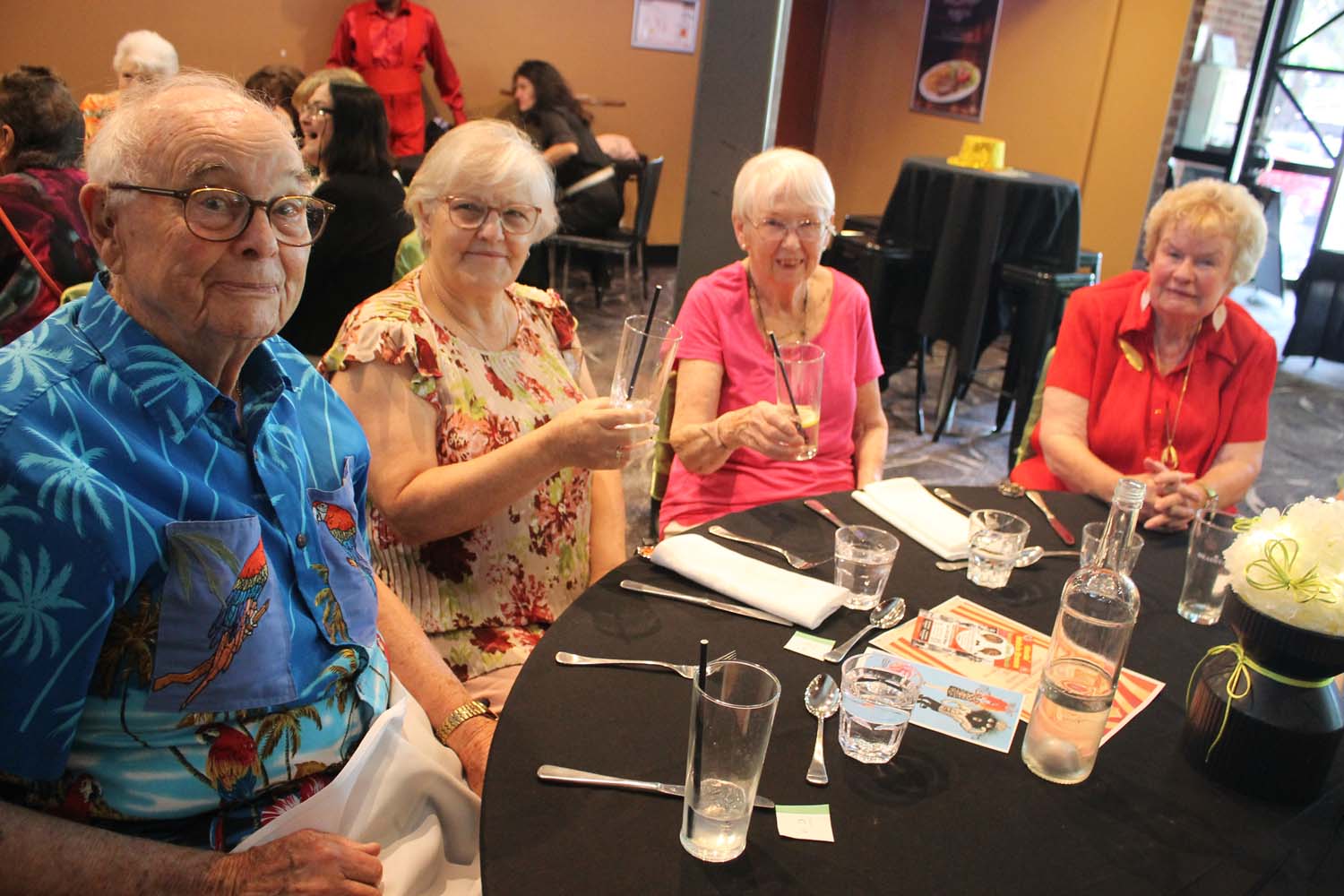
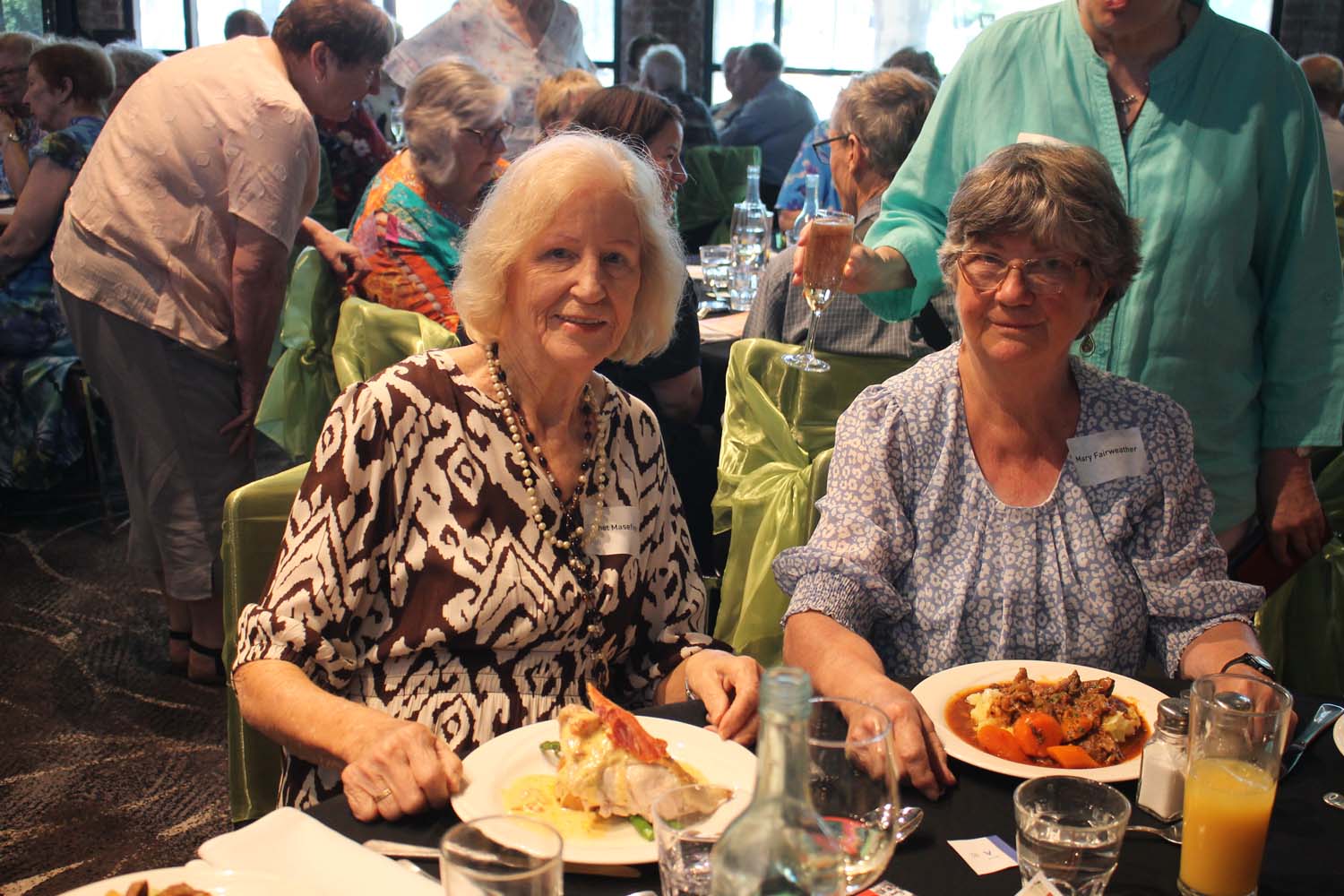
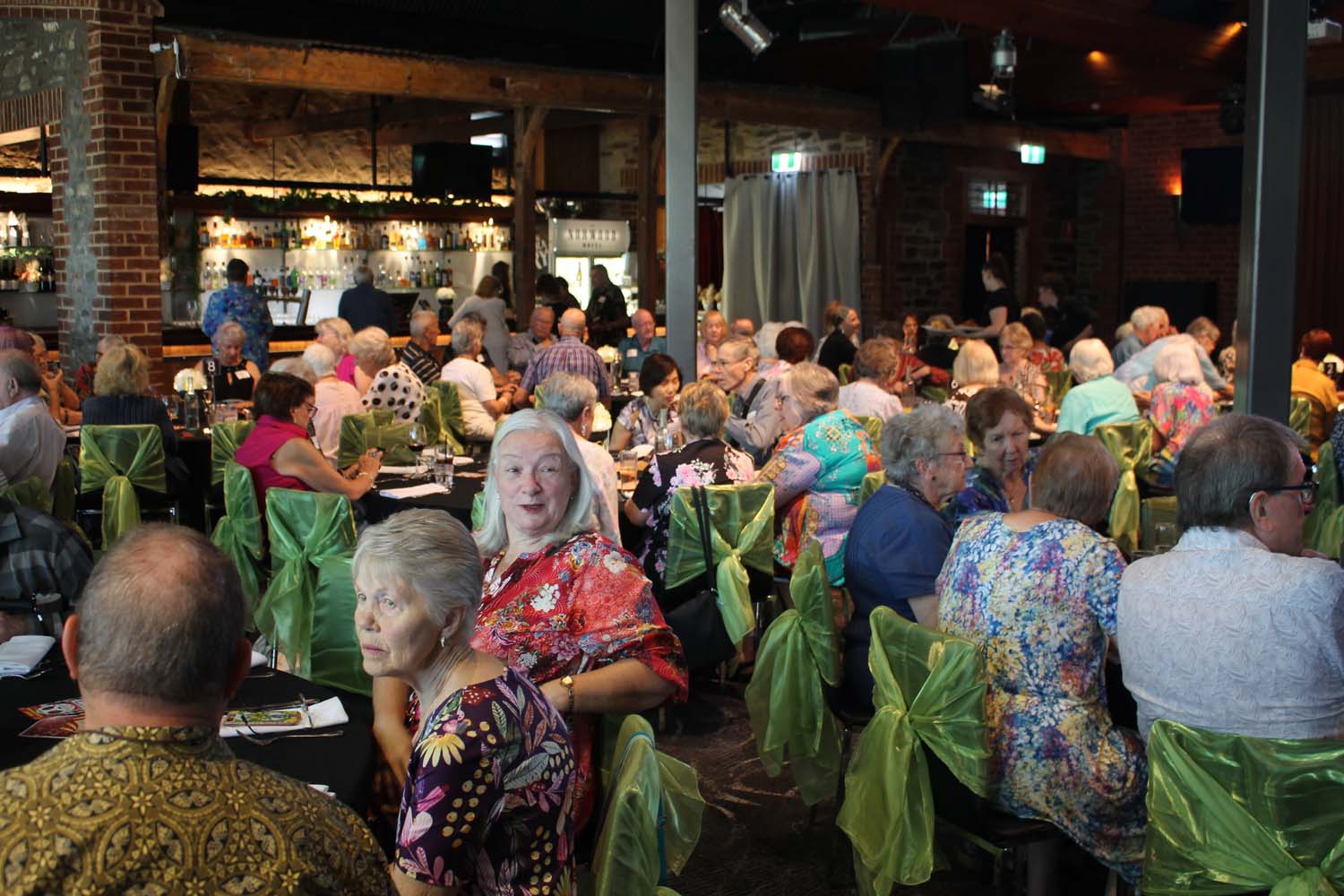
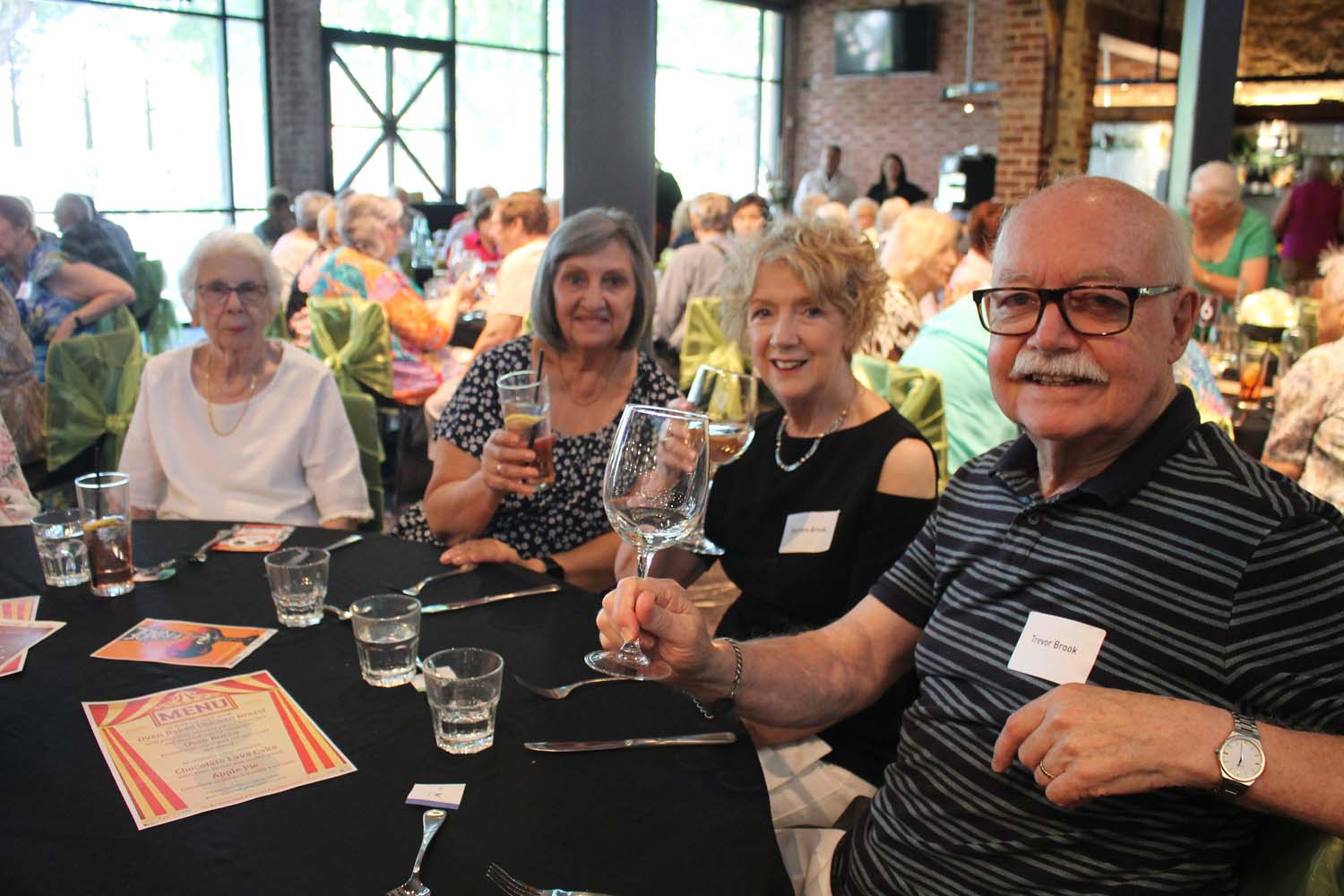
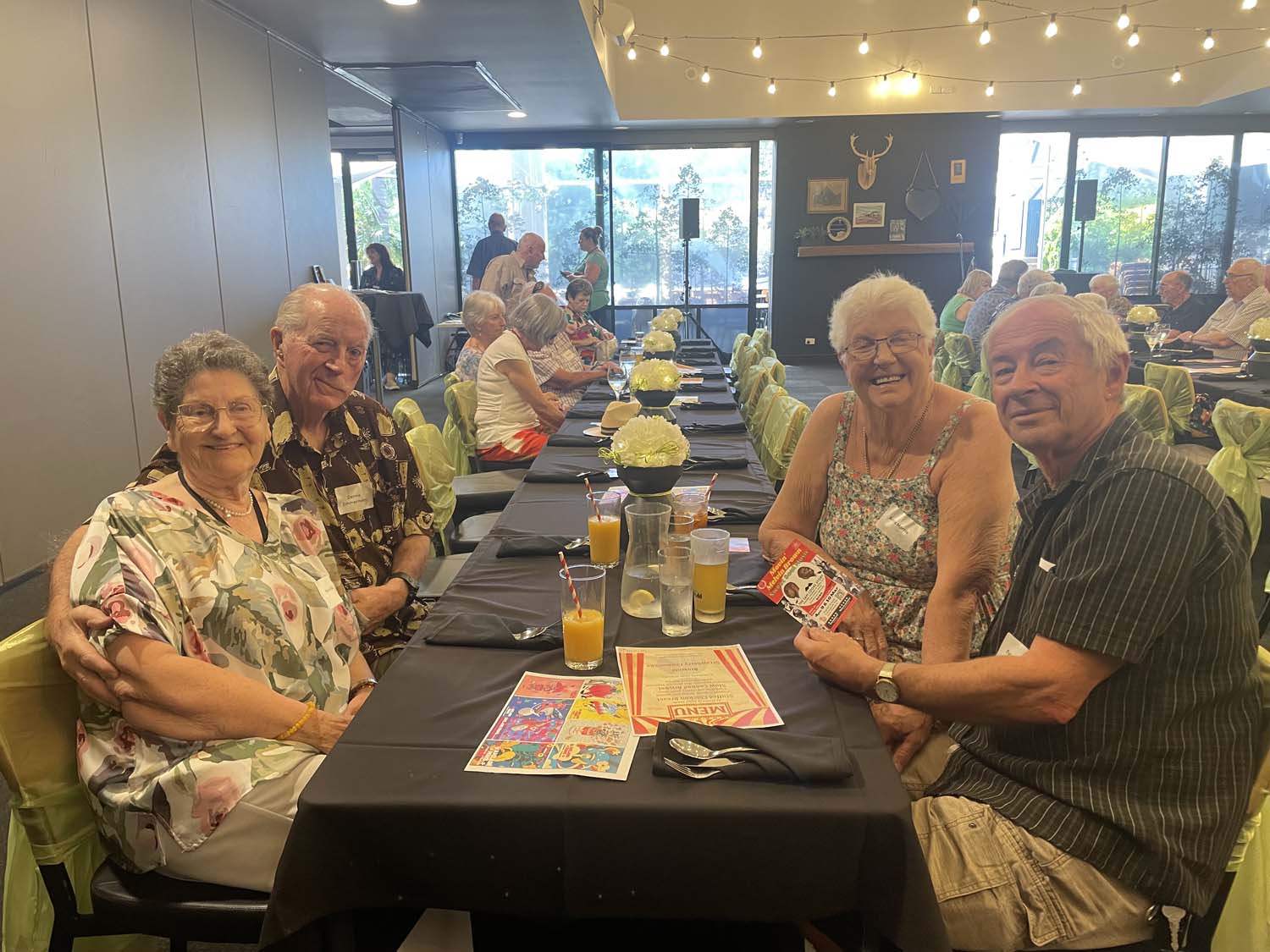
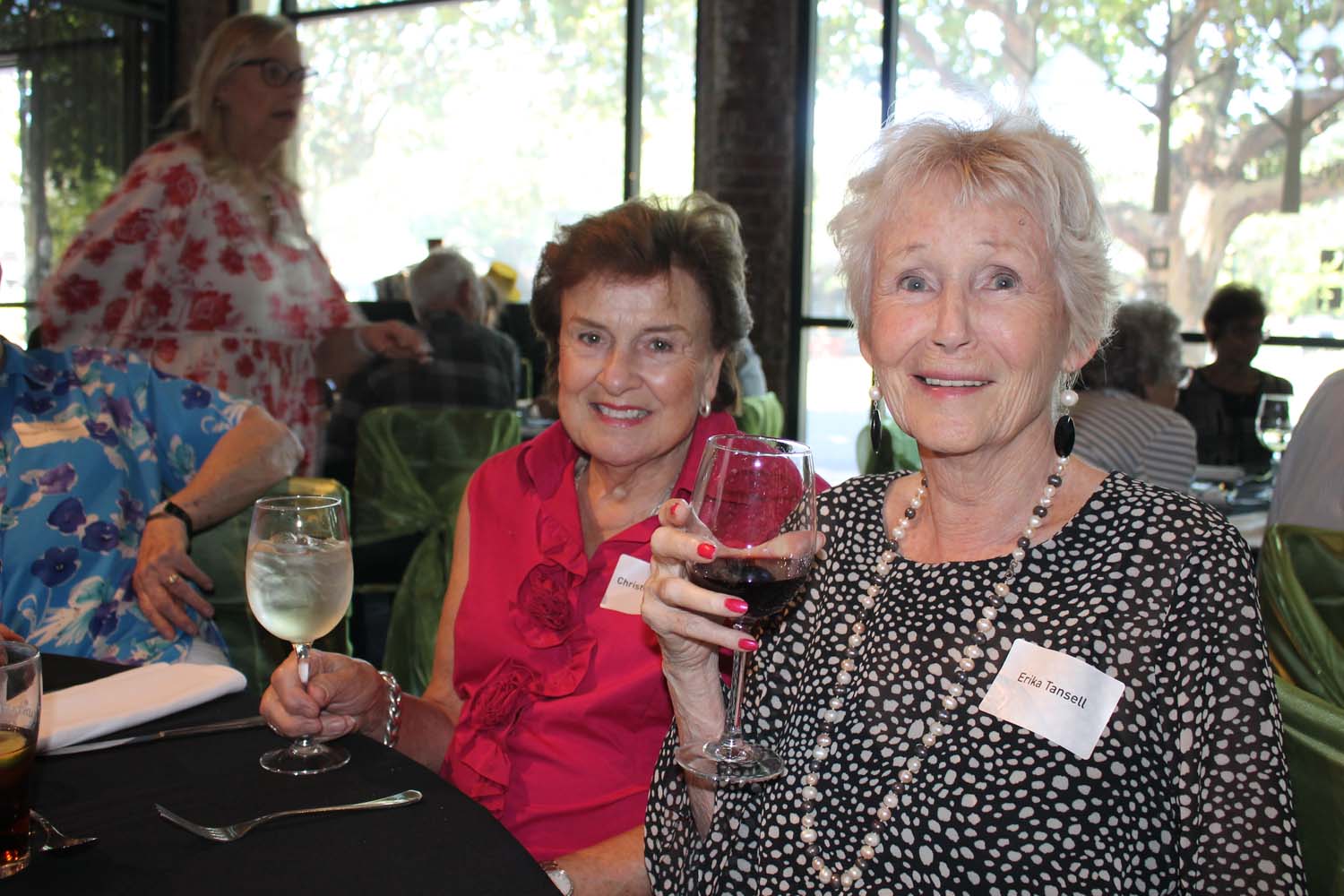
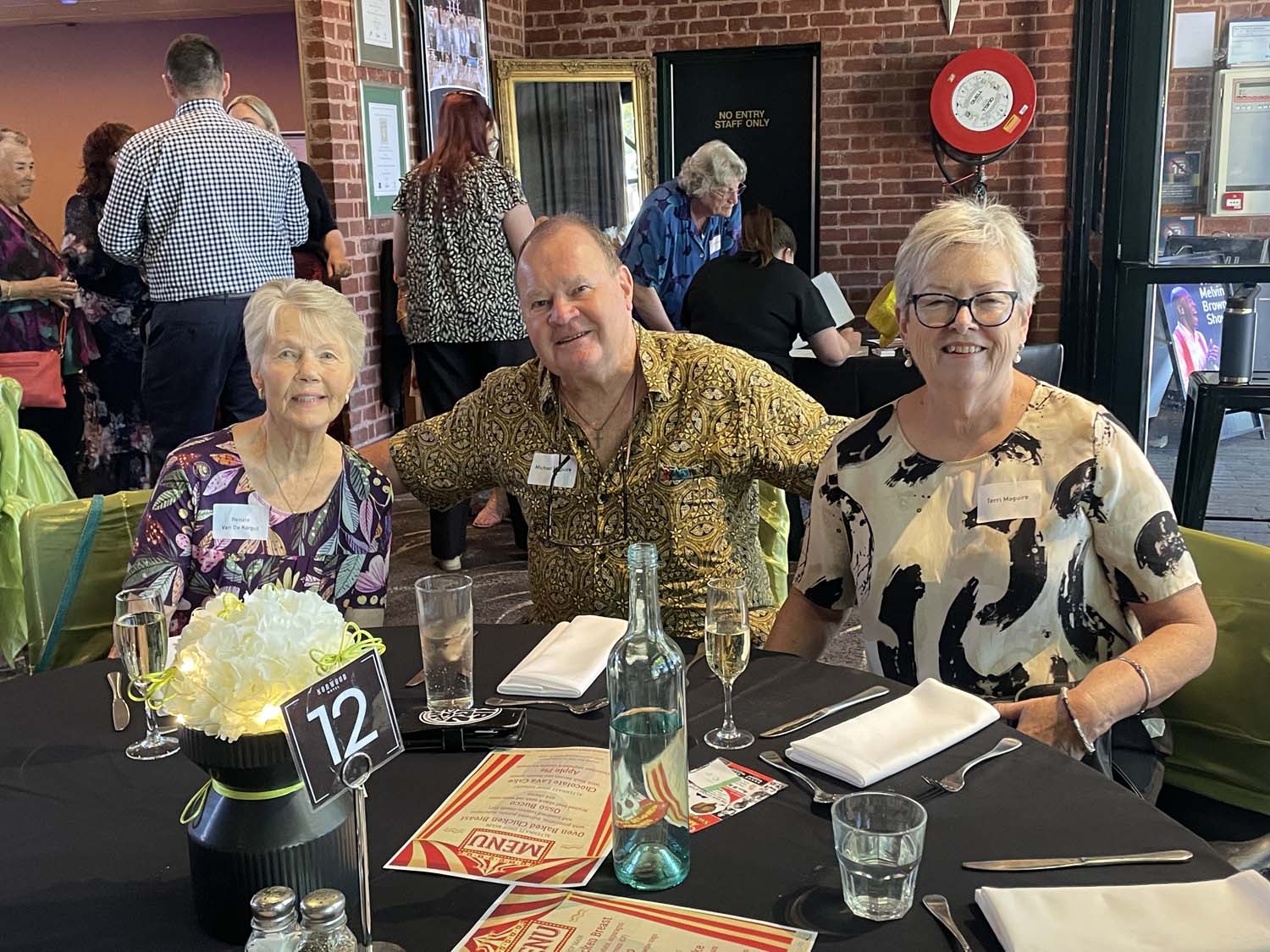
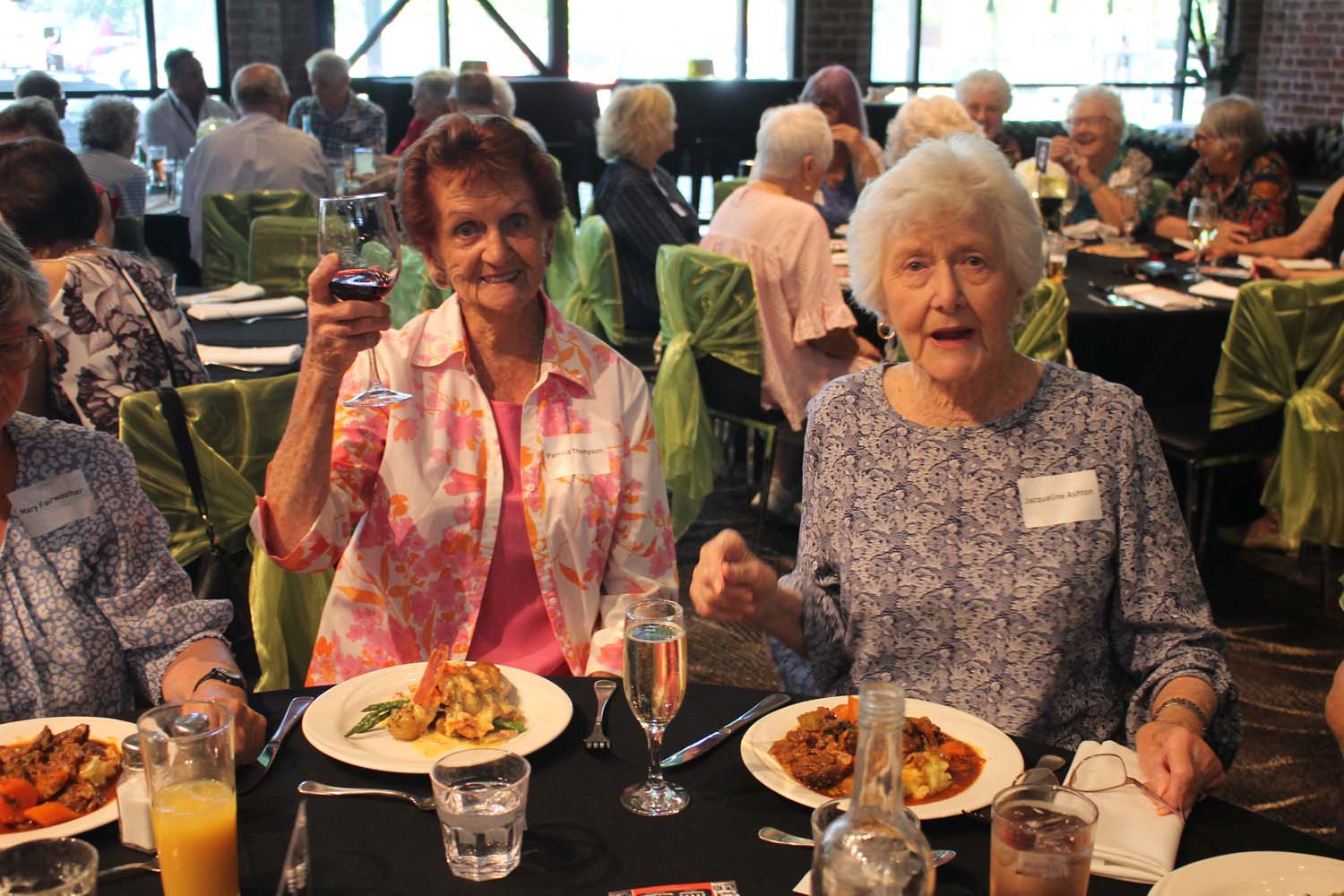
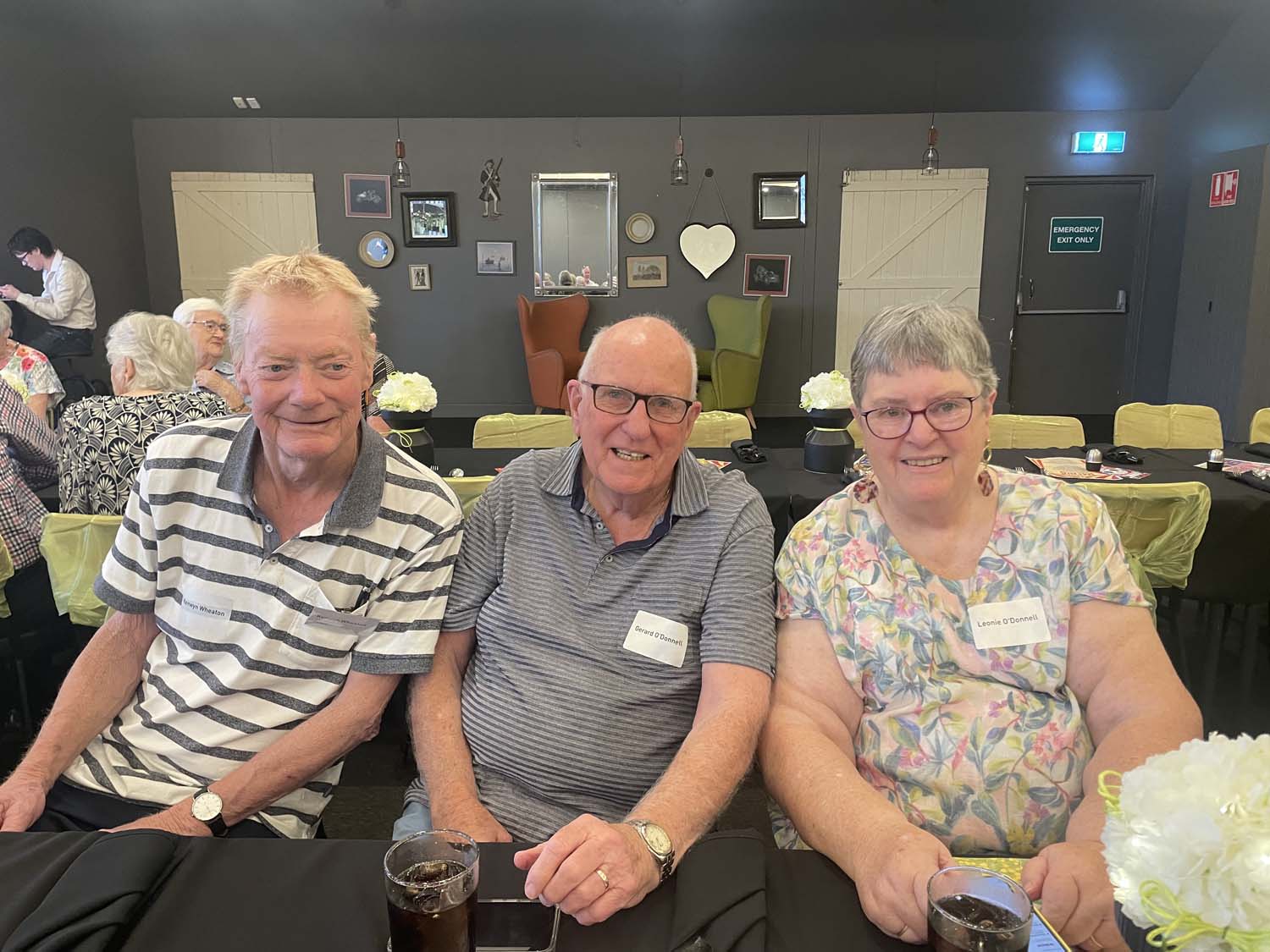
Movin’ Melvin Brown wowed audiences across ACH Groups residential care homes and residents from retirement village, gathered at local hotels for lunch and the performance.
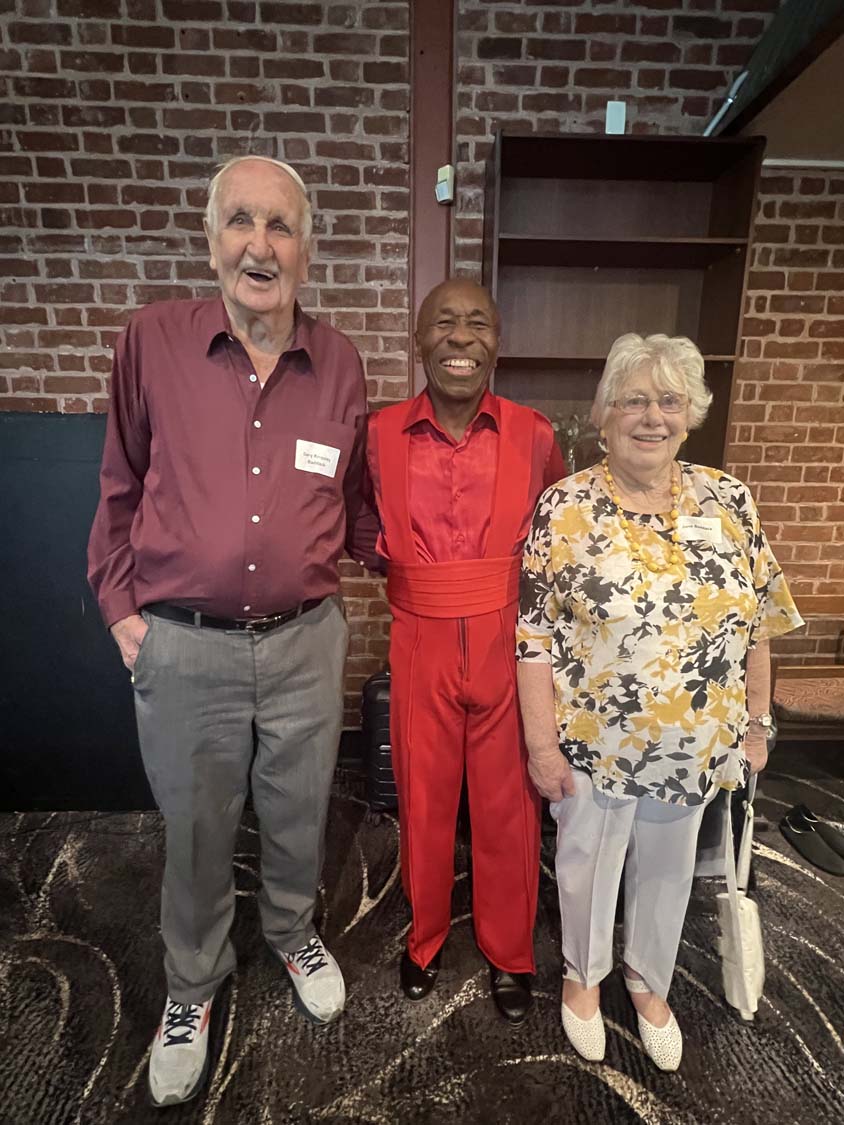
‘Dance man’ and ‘man with the fastest moving feet’ are just some of the ways Melvin Brown has been described but it was his joyous laugh that had us all captivated.
With his combined styles of many of the masters, including Fred Astaire, Sammy Davis and Gene Kelly, Melvin Brown presented a high energy performance of tap dancing and singing that had residents dancing and clapping along.
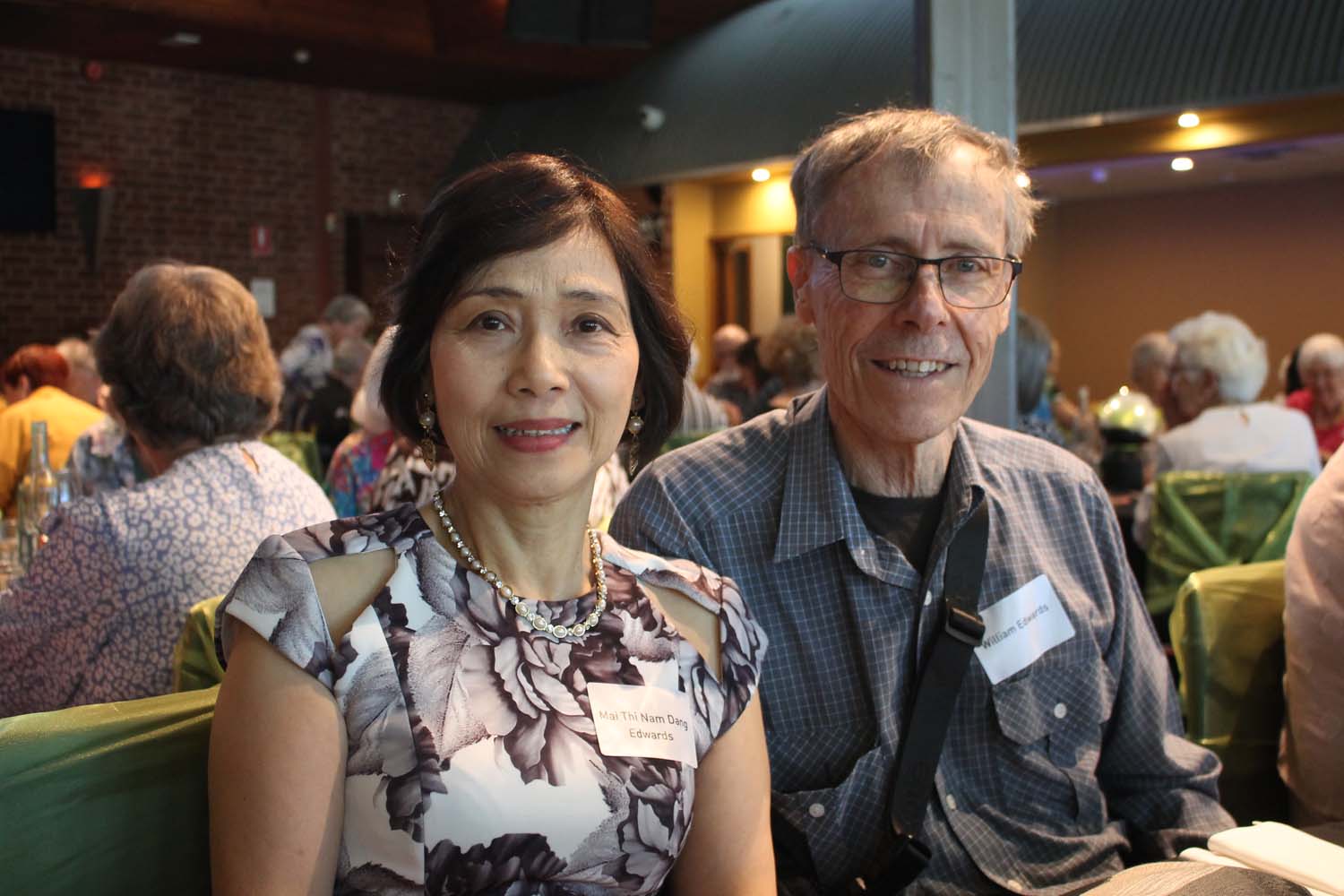
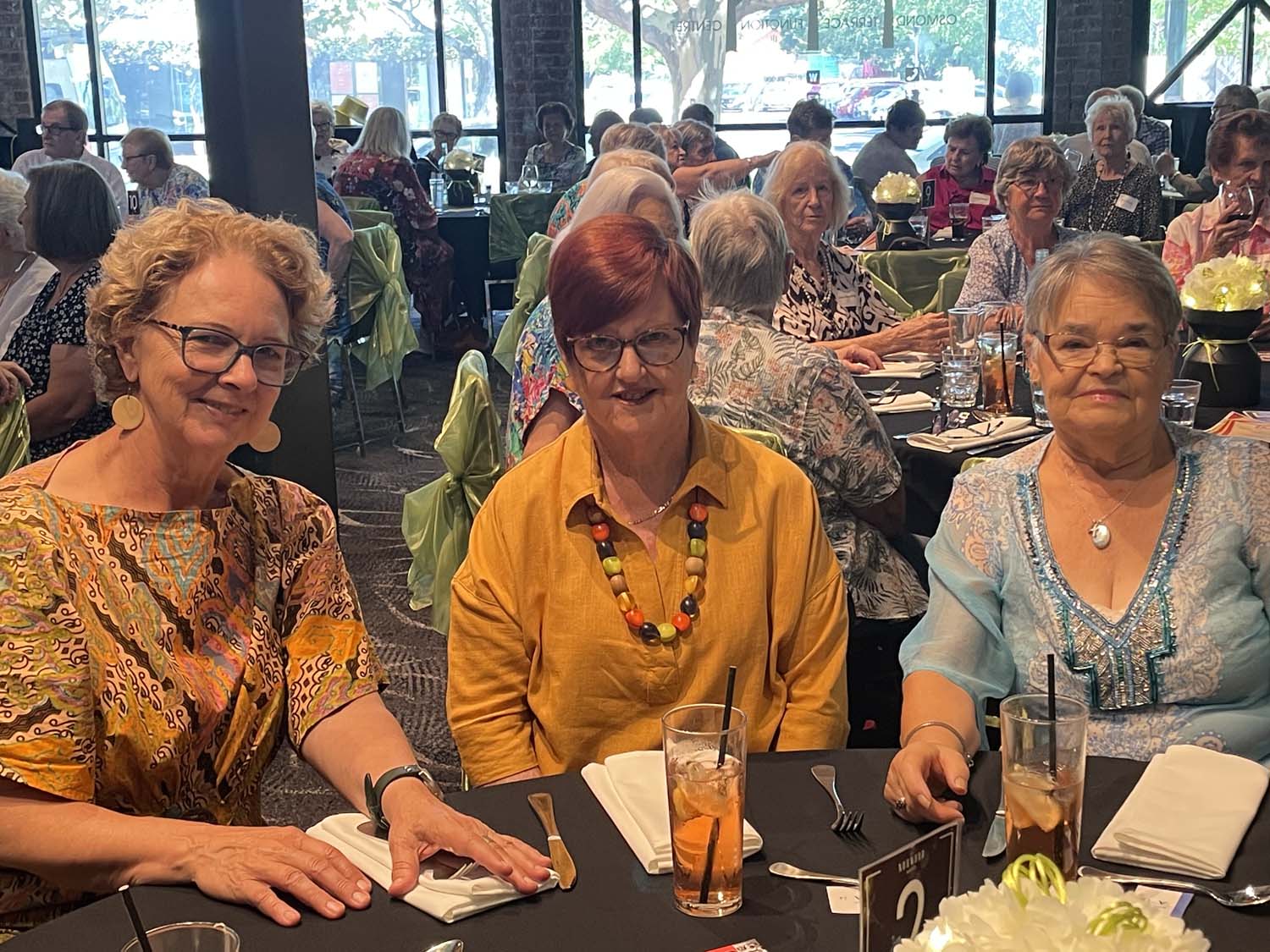
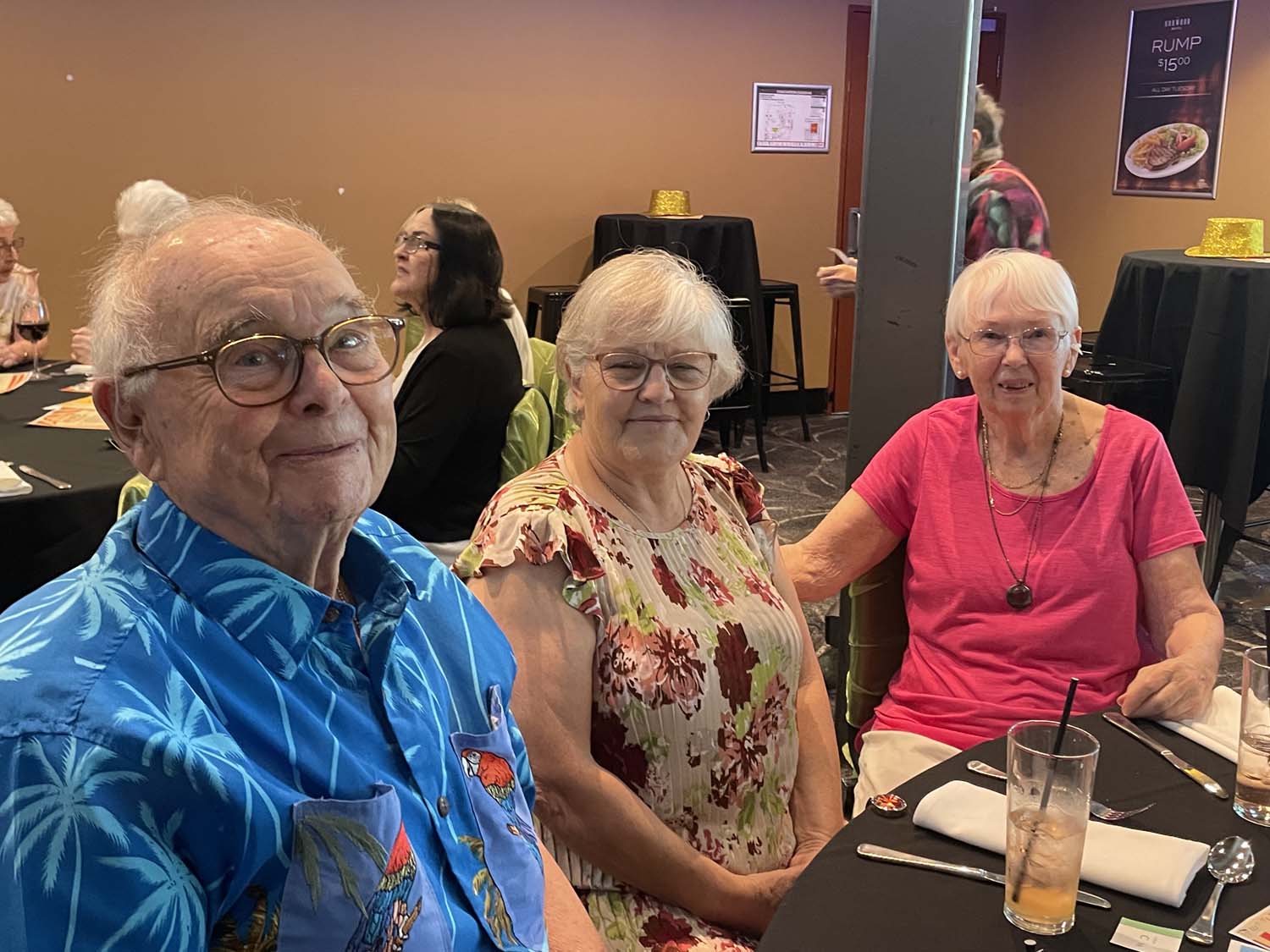
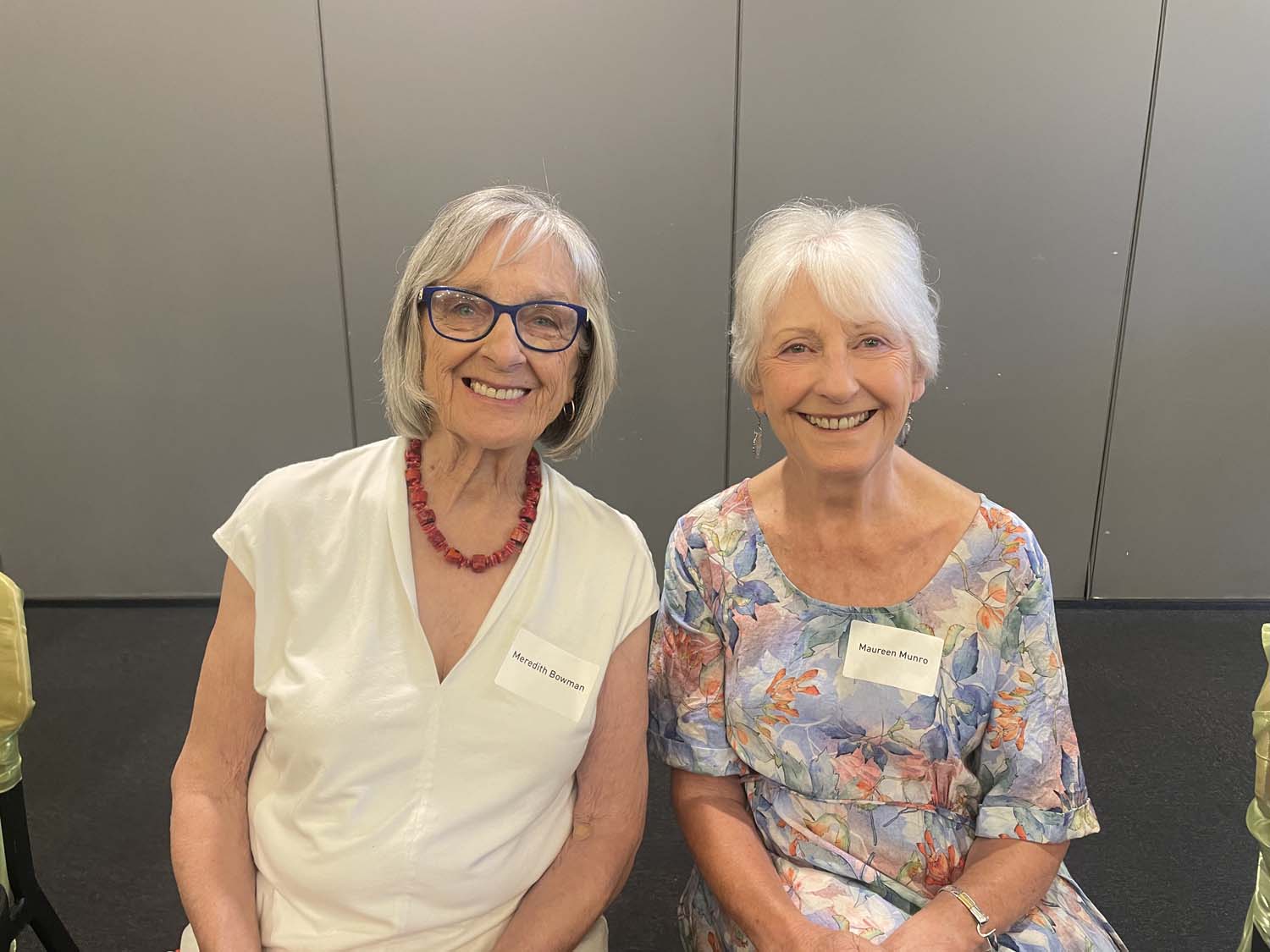
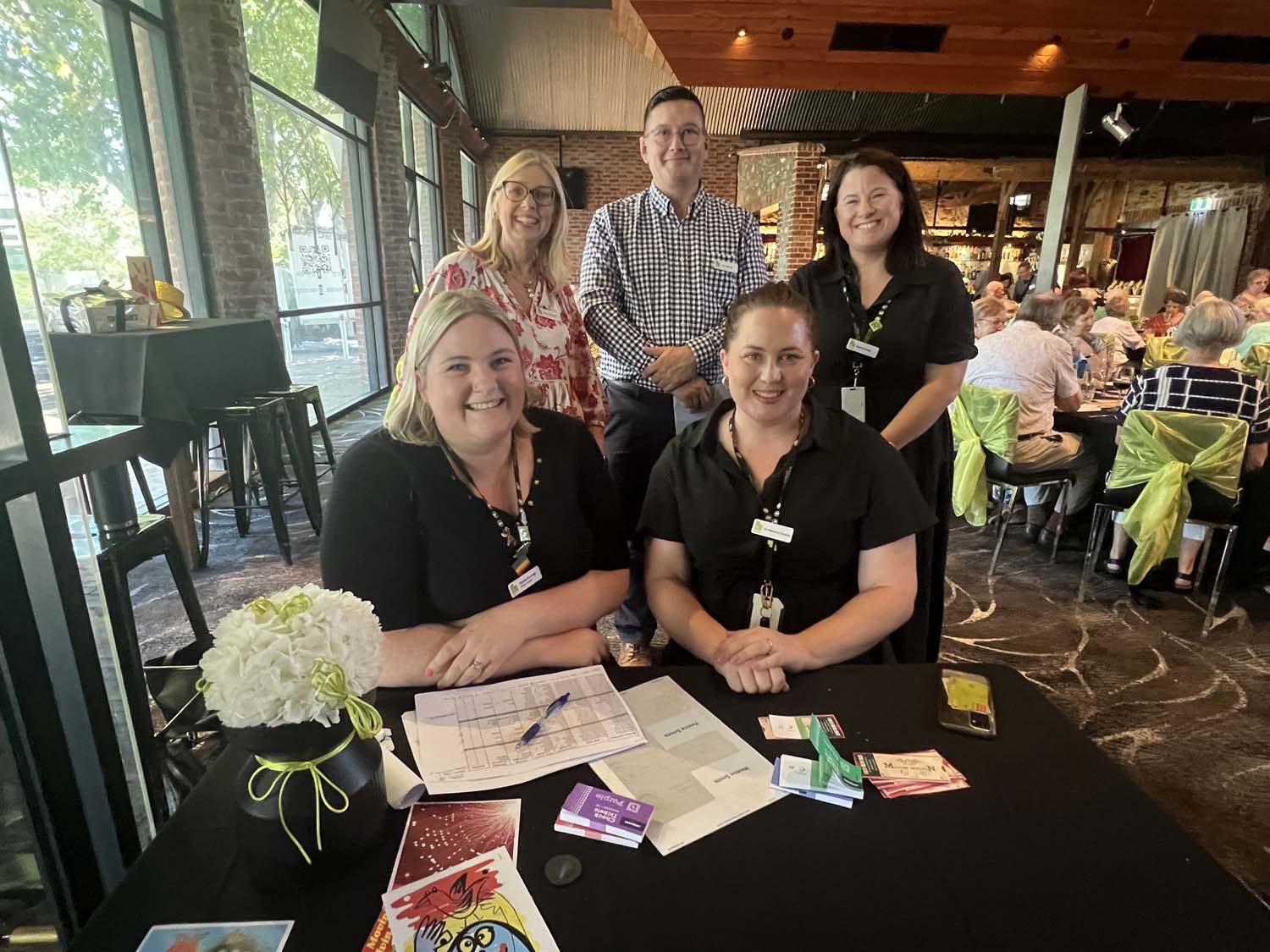
Have you been snapped?
Welcome to the online photo gallery for “Movin’ Melvin”! This is your opportunity to spot yourself or your friends. Scroll through the album and see if you’ve been photographed.
Happy World Dance Day
Every year, 29 April marks World Dance Day / International Dance Day!
When Movin’ Melvin Brown was in Adelaide, he got us all dancing away, bringing the community together. Being yourself never gets old and we loved seeing so many people joining in! When Movin’ Melvin Brown spots someone wearing dancing shoes, you can be sure it’s spot on!
Thank you, Phyllis, and other retirement living residents for taking it away with personality!
Building neighbourly connections
Being part of an inclusive, welcoming community removes many of the barriers to building and maintaining lasting friendships and a genuine sense of belonging.
Living in a retirement living community can help build great social connections.
At ACH Group, we have a range of housing options to suit your lifestyle.
The biggest gardening trend of the moment is not taking place outside
It’s happening inside our homes and is the rediscovery of indoor plants. Back in the 70s, indoor plants were all the rage, but they lost favour over subsequent decades when they were replaced by an obsession with silk plants and flowers.
Good-looking, healthy indoor plants add personality to your space and create a vibrant place to live.
It’s not just about aesthetics, however, scientific studies show that indoor plants have significant benefits on air quality within our homes reducing the level of indoor generated air pollutants which are harmful to human health.
Other benefits include reducing dust, aiding humidity levels, and temperature and noise control. Plants also have a positive effect on our wellbeing with a marked improvement in our mood and concentration, creating feelings of relaxation, inspiration, and positivity.
A trip to your local nursery or garden centre may leave you feeling overwhelmed with choices.
So where do you start, particularly when space is limited?
When choosing a plant to grow inside your home understand that the conditions inside are not like any natural environment due to the combination of a lack of fresh air, household heating and cooling, and obviously reduced sunlight.
While there are many wonderful plants that grow well indoors, the trick is to match the plant to the conditions of the room. Remember there is no ‘indoors’ in nature and when we bring plants inside, they can be out of their comfort zone.
Light level is one of the biggest factors when it comes to plant selection because most plants prefer bright (though indirect) light to grow well.
Watering is another issue, while most indoor plants do not like wet feet they can also suffer if they are allowed to get too dry; they should be watered thoroughly when the surface feels dry and then not again until the surface dries out.
Keep their leaves shiny and dust free by wiping them with a damp cloth occasionally.
Here are my favourite indoor plants for a limited space…
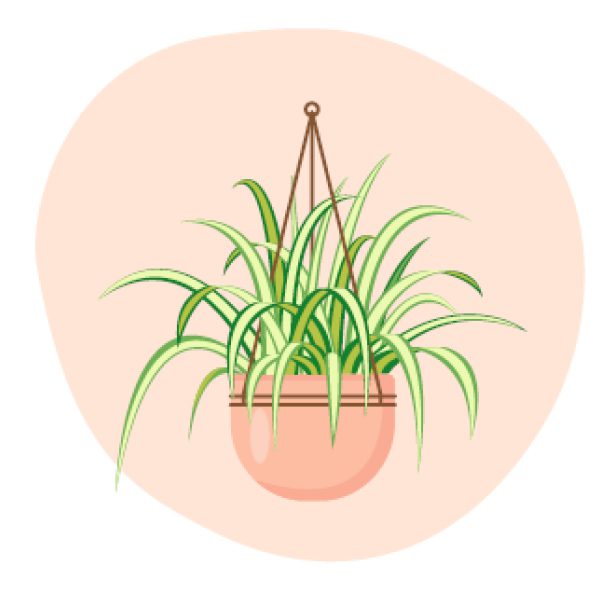
Spider plant (Chlorophytum comosum) is a very hardy plant with attractive ribbons of variegated foliage. It makes a great hanging basket plant and while it’s old fashioned, it is making a comeback due to its hardiness. They can look full and lush in a 140mm pot cascading and spreading more than 600mm high and wide. The spider plant can also be grown in larger containers or hanging baskets up to 250mm, where they will spread further again.
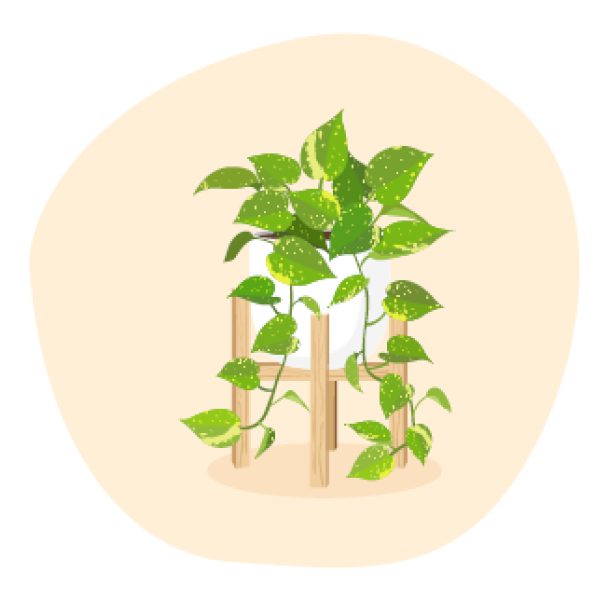
Devil’s ivy (Epipremnum aureum or Pothos) gets its common name from being hard to kill. There are forms with green or speckled leaves. These climbing plants can either be trailed up a totem or frame or allowed to hang gracefully from a basket or high place. They can be grown well in 140 –170mm pots and their climbing stems reach several metres in length. When they do need repotting, don’t overpot, just go up one or two pot sizes.
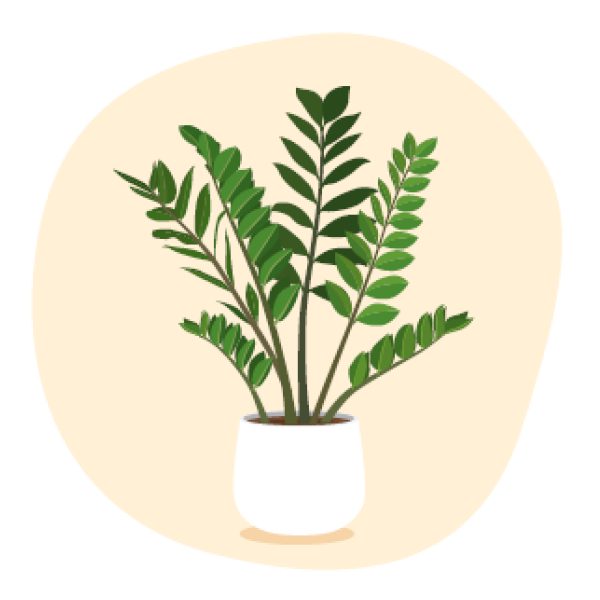
Zanzibar gem (Zamioculcas zamiifolia) looks like a palm with long succulent-like upright stems with pairs of waxy shiny leaves along them.
It will tolerate quite dark conditions however it will do best in bright light out of hot sun, eventually forming an upright clump of foliage 500 – 800mm high. Plant in a 140 – 200mm pot.
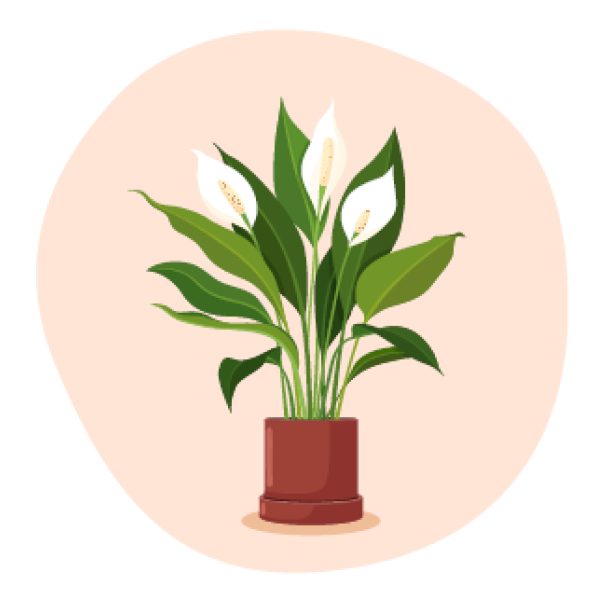
Peace or Madonna Lily (Spathiphyllum) has lovely glossy green foliage and beautiful white flowers.
While it will grow in quite a dark place, it will flower better if it gets more light.
Plant in a 140 – 200mm pot and expect the Lily to grow 200 – 700cm in height depending on the variety.
Did you know? Falls are among the biggest threats to older people.
As we get older, our muscle strength and balance may reduce which can result in a fall accident. Although most falls may not cause serious injury, they can possibly leave us feeling quite distressed.
Good news is there are other things you can do to improve your health and wellbeing to help prevent falls from happening.
We’ve put together some useful information to help you understand the cause of falls and some falls prevention tips.
Staying active to avoid falls
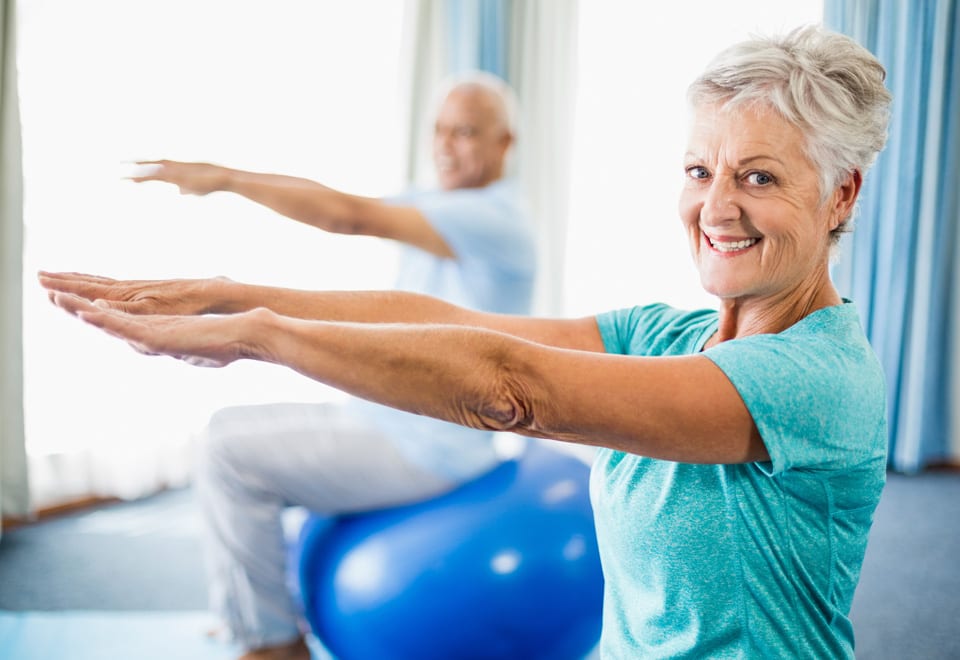
To reduce falls risk, it is important we maintain our physical fitness with regular exercise including specific balance exercises.
Keep in mind current Australian guidelines suggest a minimum of 150-min of physical activity a week to maintain current fitness levels, greater amounts are required if wanting to improve fitness.
Exercises are best when specific to individual customers. They need to be achievable but challenging. Progression of exercises as they become easier will ensure improvement in balance and reduce falls risk.
Balance exercises should be aimed at increasing postural awareness, co-ordination, and reflexes (reactions times) and lower limb strength.
Properly fitted and supportive footwear
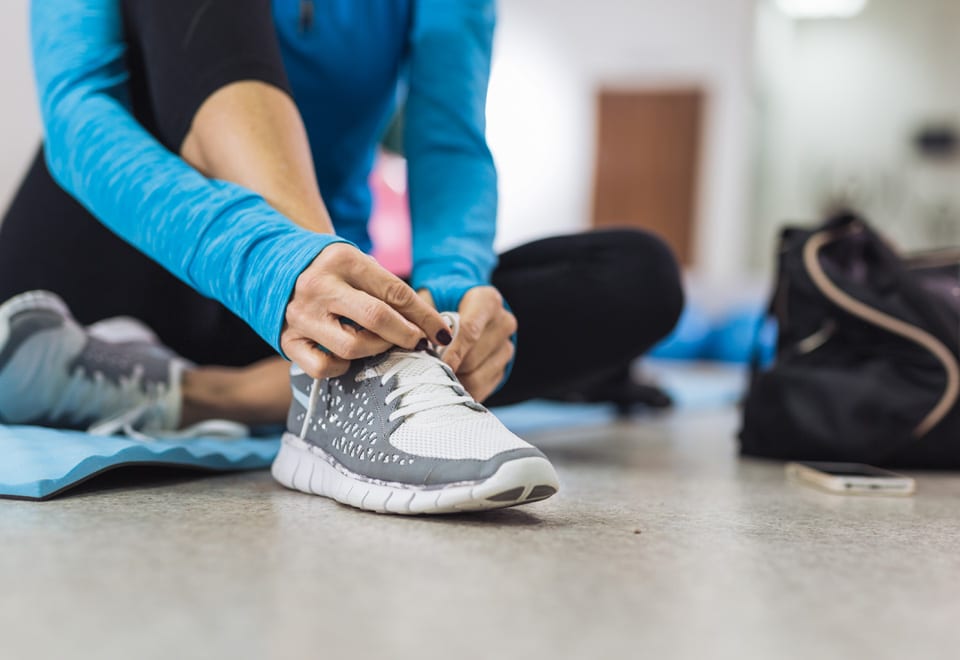
As we get older, our feet change and footwear needs to change, too. Shoes need to be comfortable, fit well and have adequate support. Feet need to be kept dry, nails should be cut short and any foot changes should be investigated promptly.
It is important to consider issues such as circulation or changes in foot sensation as well as any areas of numbness or foot issues such as pins and needles.
As we age, our foot strength and flexibility declines. Having your feet examined by a podiatrist is the first step in fall prevention.
A podiatrist can help assess your risk of falls with a history check, assessment, and performance-based falls test. From there, they can make recommendations to help address your foot problems, exercises for feet strength and the right footwear to help prevent falls.
Having a safe home
Most falls happen at home, that’s why it is important to keep your home safe. You can fall-proof your house to help you avoid falls and ensure your safety.
Here are some simple steps to get started:
Remove clutter or tripping hazards: keep your walking areas tidy and make sure there’s nothing in the way. If necessary, place non-skid mats, strips or carpets on surfaces that easily get wet.
Check your lighting to ensure it is adequate – maximising visibility of your footing: remember to turn on night lights before bed or keep a flashlight by your bedside in case the power is out in the middle of the night.
Repair broken, uneven or cracked paths, patios, and other walking surfaces
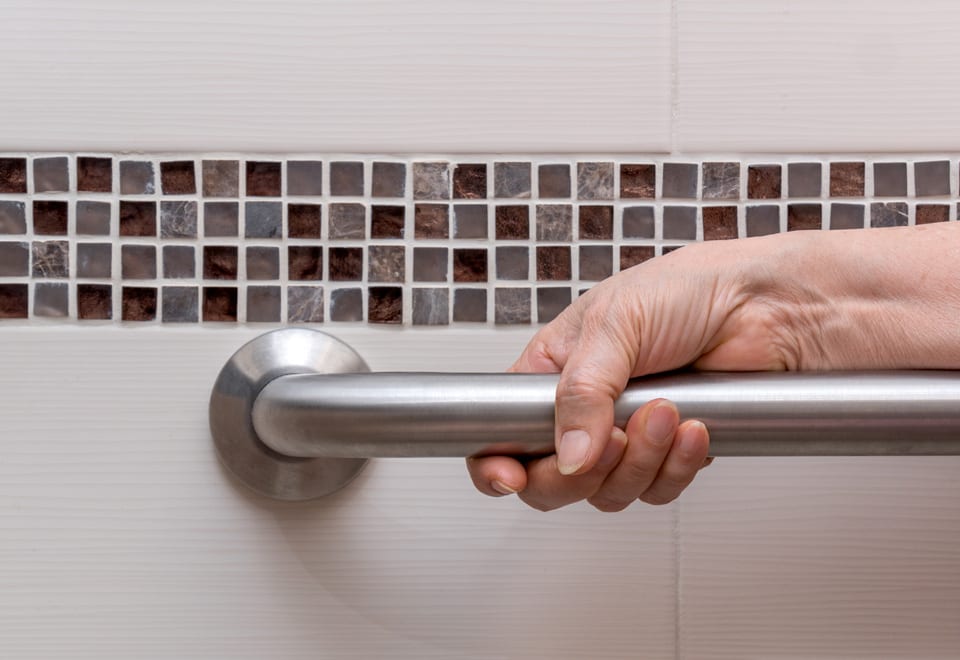
Consider equipment or home modifications such as rails or ramps to assist with mobility and transfers: install grab bars in the shower, toilets and baths, railings on stairs and non-slip adhesive strips to stairs.
Check your eye vision
Conditions that affect you vision may affect you balance such as Glaucoma, macular degeneration, conjunctivitis, and others.
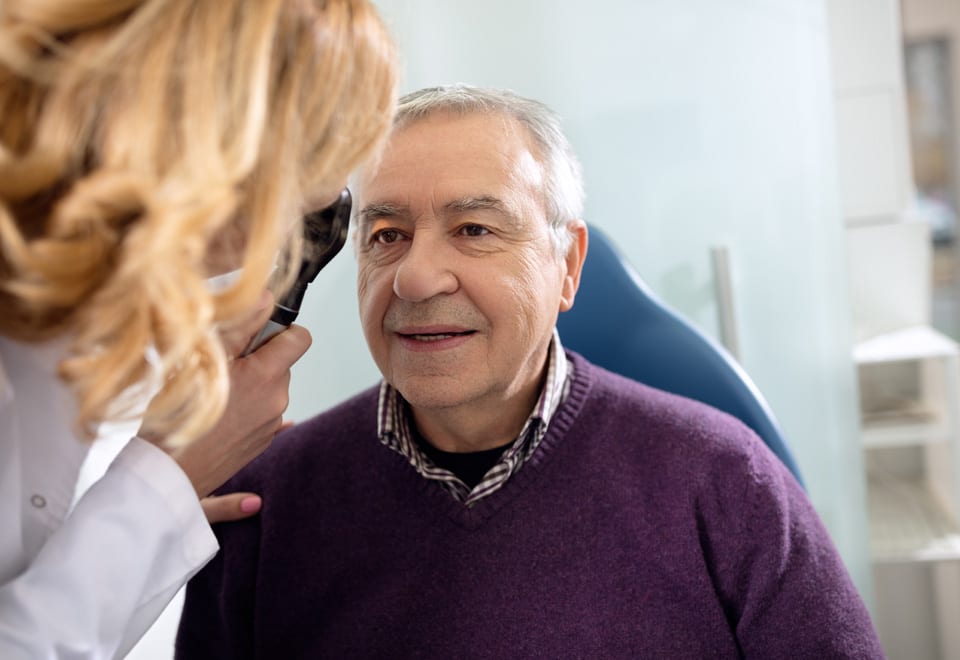
It is important to have a regular eye check and consider your prescription type to make sure your vision is clear.
Wearing multifocal glasses can increase the risk of trips and falls in older people. It is best to see your optometrist for an assessment and advice.
What to do if you fall
Stay still and slow down your breathing. Slow and steady breaths help to keep you calm. Check and scan through your entire body to see if there is any injury.
Look for hazards such as broken glass, or electrical cords before you move, or before you allow anyone to help you up.
Decide if you will get up and if you can get up, think about how you will get off the floor.
If you have tried and can’t get up, rest before trying again to avoid exhaustion. Seek medical help if you need.
If you can’t get up
Call for help (personal alert, a phone or by calling out). While waiting for help, try to stay warm and comfortable by using nearby pillows, blankets, or towels.
If you are outside, drag yourself under shelter and try to move out of direct sunlight and off hot paving.
If you can, change position from time to time to take pressure off a part of your body until help arrives.
What you should do after a fall
Seek urgent medical help if you start to feel confused, develop a bad headache, nausea and vomiting, blurry vision, limb weakness, neck stiffness, feeling tired or fatigued after the fall.
Write down the details of the fall (when, what, how).
Tell your doctor or health professional about the fall as soon as possible after it happened, even if you are not hurt. He or she can look into possible causes and treatment options. This is particularly important if you are on blood thinners.
Talk to your health professional so you can work together to prevent future falls, and keep your independence and confidence.
Tell your daily contact person about your fall. Stay in contact frequently as injuries may not show up straight away.
Falls, whether once or repeatedly, can be a serious matter that affects both your physical and emotional state.
Fall prevention takes some planning but it’s worthwhile to keep you safe and avoid the risk of falls.
We specialise in health and wellbeing for ageing bodies and our qualified health specialists will work with you on a personalised plan to help you achieve your health goals.