Reconnecting with the joy of singing

Dorothy’s joy of singing continues

Following a career in banking, government, airlines and the courts, in retirement Dorothy’s life adventures brought her back to her passion: music.

Dorothy grew up in Port Lincoln, and as a self-proclaimed tomboy she enjoyed childhood freedom but always wondered what else was out there to explore.

“Growing up in a small town was great but it had its limitations and there was so much I wanted to do that was not available there,” she said.

Dorothy’s first job at the Port Lincoln branch of the Commonwealth Bank provided her with a ticket to move to Adelaide where she worked in the bank’s head office on King William Street.

Aged 23, she changed careers working as an air hostess with Ansett for two and a half years. This time of her life was interesting and fun; she saw Australia and was introduced to Ian, her soon-to-be husband.

After marrying Ian, Dorothy wanted a job that kept her in Adelaide.

“I worked as a Parliament House secretary and later as a court reporter in Adelaide, where I wrote shorthand for judges and barristers. After a few relieving jobs I was permanently appointed to the Social Security Appeals Tribunal.

“Being surrounded by such well-educated people made me want to seek further education for myself,” she said.

So, in her 50s, Dorothy decided to study politics at Flinders University part-time.

She continued working until she was 66 years old, on the eve of becoming a grandmother.

After learning to sing at the Elder Conservatorium, being in a band in the 1950s, and playing the ukelele, Dorothy’s musical life was fulfilled when she joined ACH Group’s Sing for Joy Choir.

“ACH Group provides in-home services in my current home, and I came across a flyer promoting a ‘come & try’ for Sing for Joy.

“Everyone in the choir was incredibly welcoming and nice to me. It hadn’t been long since Ian passed away and I was still feeling emotional, but being with them made me feel so good and I also realised the passion for music was still there. It was nice to reconnect to it.”

Dorothy has performed in five Sing for Joy concerts and just like in her band in the 50s, she continues to sing her heart out at every opportunity.

“It’s more about connections than about having a good voice or even knowing how to sing.”

Good Lives Magazine

This article was published in Good Lives Magazine – Issue 12.

Blog

Visit our blog to find out more about lifestyle and staying active

Sing for Joy Choir

Sing for Joy Choirs are led by experienced professional choir directors who lead weekly rehearsals. No experience is necessary, learn new songs and singing techniques in a fun and social environment.

Explore ACH Group’s Arts & Culture experiences and book a free come & try session. 

Contact us today for more information.

3 signs your loved ones may need help at home

oldest daughter with her parents posing for a photo

Signs your loved ones may need help at home

It is normal to feel concerned about your loved ones as they age.

Have you noticed that their home isn’t as tidy as it used to be? Are they struggling with everyday tasks?

Perhaps you’ve observed subtle changes in their memory, which is causing concern.

Your parents might be aware of these changes themselves but may not want to ask for help.

Many of us start considering help at home to ensure our loved ones can maintain their independence and safety at home for as long as possible.

There are signs that may indicate the need for help at home or a Support at Home package for your family member.

Managing day-to-day tasks is challenges

SignsYourParentsNeedHelpAtHome

One of the signs that your loved ones may need help at home is difficulty in managing day-to-day tasks.

Taking care of an entire house can be a big job particularly if it’s a large family home.

Tasks such as cleaning, grocery shopping, gardening, and maintenance work can become overwhelming, especially if they are living alone.

Another challenge your loved one may face is giving up driving, they may need assistance to attend appointments, shopping, and social outings.

Finding the right support adds confidence so they can continue living independently. Home care services not only relieve the stress of everyday tasks but provide more time for them to do more of what they love and spend quality time with family friends.

They  may not need help at home but are feeling lonely

LonelinessWhenStayingAtHomeAloneYour loved ones may not need help at home, but they could be feeling unsafe or isolated.


Loneliness doesn’t happen overnight and can impact their mood and mental health over time. You may notice a decline in social interactions with friends, or a loss of interest and participation in hobbies or social activities.

Loneliness may lead to various health issues, including dementia, depression, anxiety, and an increased risk of stroke and premature death. If don’t live close to your loved ones, or are time poor, you may not be able to spend as much time with them as you like.

Did you know your loved ones can access social support through the Commonwealth Home Support Program or Support at Home? With the right advice, they can engage in social experiences and connect with like-minded individuals.

They may enjoy being a part of a choir, or even joining an art group.

Or maybe they are keen to take up something new?

They may have started to trip or fall

RiskOfFalling

As we age, the risk of falls increases due to a decline in balance caused by muscle strength and flexibility loss.

Falls are the leading cause of injury among older people. If your loved ones are experiencing difficulty moving around the house, especially in multi-level homes, modifications such as handrails or ramps may be necessary.

Occupational Therapists can complete a holistic assessment of their needs and living environment, and a podiatrists can ensure the correct footwear.

Home care services, including exercise physiology , massage, and nursing can be tailored to enhance strength and conditioning, reducing the risk of falls.

Additionally, technology and equipment can also be funded through a Support at Home can be implemented to prevent falls and ensure safe and independent living

3 tips to help your parents get ready for Support at Home

Now that you understand the benefits home care, you may want to do some research and preparation to get your parents the support they need.

With your loved one’s best interest at heart, you can help them find the right services and the right provider to support them to live well at home as they age.

Consider their needs and level of care

HelpAtHomeNeedsAndCareLevel

First, you should understand how much care your loved ones need.

For basic assistance like gardening or shopping, they may be eligible for Commonwealth Home Support, also known as CHSP.

If they have higher needs and complex health conditions, Support at Home offers more funding and access to an experienced Care Partner to customise and coordinate a care plan.

Choosing a reliable home care provider is important in getting the right support for your loved ones. 

Understand the process 

HelpYourParentsWithHomeCarePackages

There are a few steps to access support either through the Commonwealth Home Support Program or Support at Home.

A My Aged Care assessment determines eligibility and the level of support required. This can take time, it’s advisable not to leave it too late.

If your loved one is approved for Support at Home, it can take months to get access to their funds.

If you’re new to Support at Home, here’s a complete guide for you to understand the process, costs and fees and how to coordinate support while you wait.

Have support along the way

SupportYourParentsWithHelpAtHome

While waiting for Support at Home, your family member may be eligible for support through the Commonwealth Home Support Program.

Alternatively, fee-for-service options are available, where you can pay privately and receive services without the wait.

Navigating home care options can be confusing, but with the right support your loved ones can embrace life confidently.

If you’re looking for a trusted Support at Home provider, we are here to help.

ACH Group offers a comprehensive range of support and services, supporting customers to live a good life as they age.

Whether it’s services through the Commonwealth Home Support Program or Support at Home, be assured we’re here every step of the way.

Our Good Life Philosophy focusses on empowering customers to remain in control, delivering services ‘with people’ not ‘for them’

Contact us today to see how we can support your loved one with home care.

Cultivating creativity

Cultivating creativity

How can you cultivate creativity?

Research suggests that creativity can increase positive emotions, boost cognition, and even support our immune system.

The great news is that creativity can be practiced and expressed in a variety of different ways.

Get your creative juices flowing with these ideas and start reaping the benefits for your body, mind, and soul.

Get creative in the kitchen

Getting creative in the kitchen
Do you have a recipe that you’ve been meaning to attempt one day?

Now is your chance!

Tap into your senses (smell, sight, and taste) and even unleash creative ways to ‘spice up’ your creation. This could involve adding ingredients to enhance the flavour or visual appeal, or substituting based on what you already have in your pantry or garden.

Plus, there’s no doubt your loved ones will welcome the taste-testing opportunity.

Learn the art of flower arranging

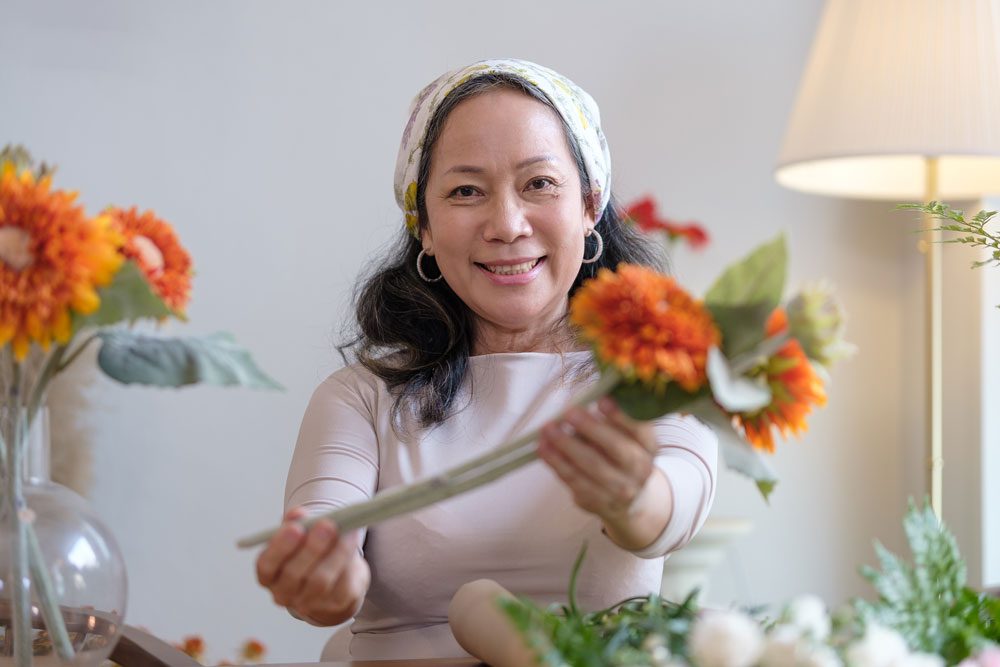
Arranging flowers to boost creativity
With flowers blooming around us, there is no better time to explore the accessible and inexpensive hobby of flower arranging.

Take a walk through your garden or neighbourhood to collect flowers and greenery.

Then, sit down and explore the various ways that the blooms can be layered and arranged in a vase. Along with offering a sense of accomplishment, the finished bouquet can double up as a beautiful home decoration or a thoughtful gift.

READER’S TIP: Good Lives Magazine reader Helena shares her tips for pursuing the art of flower arranging.

Create a scrapbook

Creating a scrapbook can cultivate creativity
Scrapbooking can take you on a nostalgic trip down memory lane.

Why not involve your family and share your photos, old greeting cards, postcards, and memoirs? The end result can be a beautiful and meaningful masterpiece of memories to hand down to the younger generations for years to come, conserving all the special moments in your life.

Scrapbooking not only improves your cognitive skills but can be done socially in a group and can be a long-term creative project.

Make a terrarium

Making a terrarium can cultivate creativity
Bring the outdoors indoors and create a mini garden in your own unique way.

Terrariums are tiny ecosystems housed in a glass container that holds soil, plants, natural foliage, and ornaments. They take time and patience.

Why not find natural elements along your daily walks to add to your little glass garden?

Learn to play a musical instrument

Learning to play a musical instrument such as a guitair can boost your creativity
Learning an instrument can be one of the most creative and life-changing hobbies you’ll ever experience.

And it’s never too late to start! Plus, unleashing your musical expression later in life can support increased memory, coordination, and mood.

Good Lives Magazine

This article was published in Good Lives Magazine – Issue 12.

Blog

Visit our blog to find out more about lifestyle and social connection.

Residential care – what you need to know, plus: 5 things to consider

Things to consider when moving to nursing home

Residential Care – 5 things to consider

Have you heard the term ‘residential care’, but don’t know what it all means? Are you concerned about your safety and security living at home or that of a loved one, but don’t know what options are available? This article is for you.

What is residential care?

Nursing home things to consider

Residential care refers to the care and support you will receive in a residential care home. As you age, you or your loved ones may find it challenging keeping up with all the household tasks on your own, or you may be experiencing some health issues that make living alone difficult. Maybe you are starting to feel insecure at home and would like the reassurance that someone is available to assist you 24/7. If getting help at home isn’t enough, you may consider moving into a residential care home where you can live in a secure and supportive environment.

Living in a care home can bring you less stress and help you live well, continuing to do what you love.

There is a variety of different options for residential care homes including permanent accommodation, and accommodation with specific support.

We’ve put together 5 things you need to consider before moving into a residential care home as it can be quite daunting to start doing the initial research on how to choose the right home for you.

You want to have a smooth transition

For many of us, moving into a residential care home can be a very emotional time. Leaving behind a lifetime of memories in your home, and making a public admission that you require more support can be quite challenging.

That’s why having a transitional period is very important. When looking for a residential care home, look for one that offers a smooth transition from living in your home to living in a care home.

ACH Group’s approach provides you and your family with your own dedicated personal advisor, who travels the journey with you from the beginning.

We can help you weigh up the decision to move, complete the paperwork and be there with you every step of the way until you make the move. We believe in celebrating individuality, providing support to assist you in living well as you age.

Consider which type of residential care home you need

You can live a good life in a nursing home

There is a wide variety of residential care such as respite care, long-term residential care homes.

First, consider which level of help you may need and the pros and cons of living in residential care comparing to living in your own home. Next, you may want to understand the differences between the type of service that the care home offers.

You want to feel like home

Before making the move, you want to make sure the residential care home you move into feels right for you. Feeling like home can mean different things to different people as everyone has different rituals and preferences.

This could be as simple as having your breakfast in bed every day, having a space to say your prayers, daily reading of the newspaper in silence, staying active, or engaging in lifestyle activities.

Consider the communal spaces of the residential care home, both indoor and outdoor for social interaction and providing opportunities for you to stay in touch with your loved ones.

Sign up for a personalised tour or take a virtual tour of the home if available. This way you can understand the signature features of the home, the style of rooms, and the ways they keep residents connected to the local community.

You want to have access to personalised care

Maintain your interest and hobby in a nursin home

When choosing a new residential care home, it’s important to choose one that will meet your needs. If you are living with dementia, you may want to consider a care home that offers specialised dementia support and memory support units to provide a safe environment for people living with dementia.

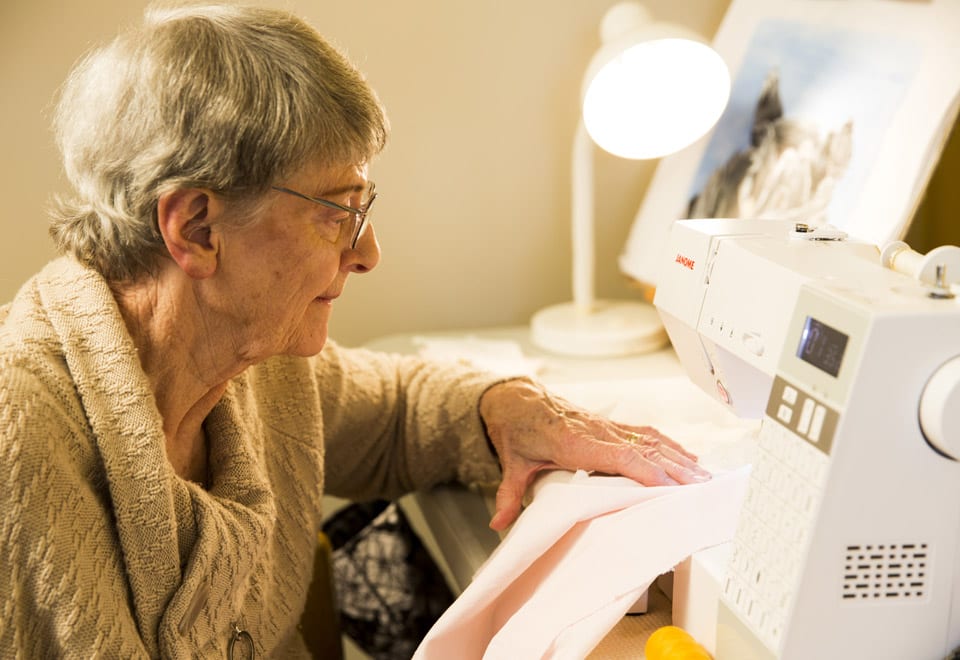
We all have goals and this shouldn’t stop if you move into a residential care home. Look for a home that will understand your needs and preferences and can offer a tailored and personal healthy ageing plan to help you get the most out of life and continue to live well. This might include increasing your mobility or revisiting some past interests such as sewing or cooking.

Do your research and make a list of the residential care homes that offer a specialist service that matches your needs. Making a move to residential care can be a difficult decision, therefore, taking the time to assess what you need from a residential care home is a very important step. It’s always good to have your loved ones involved in the process so they can help you make the right choice. Check out this residential care decision-making checklist.

Your health and wellbeing are important

Research around the world has shown that people who are active and socially connected are happier and have a better sense of wellbeing and overall health, regardless of age or health status. Consider residential care that offers a health and wellbeing program to support you live a good life.

At ACH Group, we focus on a healthy ageing approach and improving our residents’ lives through wellness programs. Our program offers a wide range of activities including on-site gyms with personal trainers, allied health professionals, walking groups, and exercise classes.

At ACH Group, our residential care services are dedicated to creating opportunities for older people, where you are valued, stimulated and connected, while still retaining control of your lives. We understand that whatever a person’s health challenges are, they can continue to lead a ‘good life’.

Our residential homes strive to raise the bar about what is possible, by supporting you to remain ‘in the driver’s seat’. We believe that residential care should feel like being at home and that you should be afforded the same level of dignity and choice as you would in your own home.

Want to learn more? Call us today on 1300 22 44 77 or contact us and one of our friendly staff will get in touch to guide you through this process.

Exercising in the great outdoors

A man walking on the beach in summer, exercising

Exercising in the great outdoors

The summer months are a wonderful time to venture outdoors and incorporate exercise into your day.

ACH Group Exercise Physiologists share some tips on how to make the best of this time of the year.

Whether your goal is to increase your daily step count, improve strength, or simply support your health and wellbeing, exercising outside can be the perfect setting as it introduces you to different types of activities and locations beyond the confines of your home.

However, there are some important factors to consider when exercising outdoors especially in warmer weather.

Check the temperature

Avoid exercising in the middle of the day when the temperature is at its peak.

This can prevent occurrences of any heat-related illnesses.

Lighting

Whether you are exercising in the morning or evening, check the lighting is appropriate.

This allows you to safely scope out the environment and be aware of any fall or trip hazards such as; potholes, uneven footpaths, or fallen branches.

Appropriate outdoor wear

Wearing clothing that is breathable such as lightweight, loose-fitting shirts or shorts made from polyester or nylon will allow your body to regulate temperature more easily.

Staying hydrated

When you exercise, sweating helps your body to cool. Keeping on top of your fluid intake is another way to manage your body temperature and avoid heat stress, while also replacing the fluids lost through sweating.

Listen to your body

Be aware of your body and how you are feeling.

If you experience symptoms of dizziness, have a headache, cramping, excessive sweating or other symptoms that cause you to be alarmed, stop exercising and speak with your health professional.

Choose equipment that allows safe exercise participation

When exercising outdoors you may need to consider using equipment.

This could include an exercise mat to prevent any slips or a mobility aid such as a walking stick or 4 wheeled walker to provide better stability.

If riding a bike outdoors, wear a helmet.

Consult a exercise professional

Before commencing an exercise program it is best to consult with your doctor or exercise professional.

Good Lives Magazine

This article was published in Good Lives Magazine – Issue 12.

Blog

Visit our blog to find out more about healthy ageing and staying active.

Your best self starts with your best health

ACH Group Exercise Physiologists can create an exercise program tailored to your health, wellbeing and fitness goals.

Contact us to learn more about services that support older South Australians to live Good Lives.

5 things to look for when choosing a home care package provider – now Support at Home

HomeCarePackage

What to look for when choosing a Home Care Package (now Support at Home) provider?

When it comes to Home Care Packages (now Support at Home Program), choosing a reliable care provider is the most important step in getting the right support and a customised care plan that suits your needs.

While there are many providers, each one is different. It is important to assess your priorities and ensure your chosen provider can meet these. This could include special care needs, your expectations, costs, values, and/or cultural background.

Choosing the right care provider can be a lengthy and challenging process that involves lots of research.

Partnering with the right provider who will support you to continue to live safely and independently at home will let you do more of what you love to do.

So how do you choose the right care provider for yourself or for a family member? And what do you need to consider?

Here are some easy tips to help make your decision a bit easier when choosing a Support at Home package provider that suits your wants and needs.

Understand the provider’s costs and fees

Support at Home providers always publish their price list of all services and costs on My Aged Care.  There are some online aged care tools you can use to compare providers such as DPS Aged Care Guide.

Trusted workers

This may seem obvious, but checking the quality of care staff is of the utmost importance. This means support workers you can trust, are reliable, and are fully vetted and trained to deliver the best quality service. See if your care providers offer multicultural workers to support your cultural needs. You may prefer having someone deliver the services that speak your language and understands your culture to assist you in your daily tasks. At ACH Group, our workers are fully vetted and trained to deliver the best care quality. It is also important to check the care provider’s accreditation history.

Flexible services

As your goals and needs change, ensure that your Support at Home provider works with you to review and alter your care plan in a timely fashion. You may face unexpected events in life which change your care priorities or have a new goal you want to achieve such as learning to sing or playing bowls. That’s why looking for a Support at Home provider that understands your needs and can offer flexibility in your care plan is crucial.

At ACH Group, we understand life can change and your priorities and goals may shift over time. That’s why we offer an annual (at a minimum) review of needs and goals to better understand your care needs and make adjustments if necessary. Your annual review will ensure your care plan is meeting your health and lifestyle needs.

Peace of mind

It is crucial to find a Support at Home provider that you can always contact, even outside of business working hours. 24/7 Communication is key to giving you peace of mind so you can live comfortably, safely, and independently at home.

At ACH Group, we make it easy for you to speak with us. Once you are an ACH Group customer, you are assigned a dedicated and experienced Care Partner to coordinate your health, care, and community support.

Your feedback matters

When meeting with your care provider, find out how communications, feedback, and complaints are handled. See if you can contact your Support at Home provider outside of working hours if an emergency happens. It is recommended that you enquire about their process for managing feedback as this may affect your quality of care.

At ACH Group, our customers always come first, hence, your feedback matters. There are different ways you can give feedback and complaints including submitting an online form, fill in a printed feedback form on-site, speak with a staff member, or call us on 1300 22 44 77

Choosing the right Support at Home provider is the first step to set you up for success and living a good life as you age. Remember all care providers offer a variety of services and have their own points of differences. When it comes down to it, what’s important is your priorities, that you feel comfortable with your provider and your care plan supports you to get the most out of your Support at Home package.

Looking for more information about Support at Home?

For more information about Support at Home program, contact ACH Group at 1300 22 44 77 or request a call with our Welcome Team.

Home care packages: 7 things you should know – now Support at Home

home-care-pakcages-care-providers

Home Care Packages – now Support at Home

Finding the right support to continue living life the way you want can sometimes be challenging.

From 1 November 2025, the Australian Government is introducing the new Support at Home program, a significant change designed to make accessing in-home aged care simpler, more flexible, and truly responsive to your unique needs.

This program replaces the existing Home Care Package (HCP) Program and the Short-Term Restorative Care (STRC) Programme.

If you are currently receiving a Home Care Package, you will transition to the Support at Home program.

Your services will continue, but the way they are funded and managed will change to a streamlined model.

Whether you’re new to aged care or already receiving services through ACH Group, we’ll work closely with you to ensure you feel informed, confident, and supported through every step.

With ACH Group, you can access:

  • Allied Health Support: Physiotherapy, occupational therapy, podiatry, and more to support your health and mobility.
  • Everyday Living Assistance: Help with tasks like cleaning, gardening, meal preparation, and transport.
  • Personal Care: Dignified support with daily routines.
  • Social Connections: Opportunities to stay active and engaged in your community.

What is Support at Home?

home-care-package-ach-group

The government provides two streams of funding to support you to stay living in your own home as you age.

Entry level program for basic support services

  • The first stream is called Commonwealth Home Support Program (CHSP) – an entry level program which gives you access to basic support services.
  • The Commonwealth Home Support Program (CHSP) offers a variety of basic assistance such as cleaning, home maintenance, home modification, personal care, health services, exercise classes or support to maintain social networks to people aged 65 and over (50 years and over for Aboriginal and Torres Strait Islanders).

If your needs increase…

  • As your needs increase, Support at Home may offer more support.
  • Support at Home can be accessed when you need more than basic support, and offers a coordinated approach with access to a greater range of services, aids and equipment.

There is more to know about Support at Home

Key features:

  • Eight Support Classifications – Ongoing services are categorised into eight classifications based on individual needs
  • Ongoing Services – These packages provide continuous support tailored to your assessed needs
  • Assistive Technology & Home Modifications – Access to assistive technology and home modifications to enhance your safety and independence
  • Restorative Care Pathways – Care focused on helping you regain function and independence.
  • End of Life Care – Dedicated pathways to End-of-Life care, providing support during this sensitive time

Download: Support at Home Guide

 How to find the right provider?

Home-care-package-choosing-your-care-provider

When it’s time to choose your Support at Home provider

  • Every provider is different and will offer a range of care services.
  • When it comes to choosing the right one, list down your priorities.
  • This could include any special care needs, your expectations, costs, values, and cultural background.
Everyone’s needs and goals differs.

If you need special care to live well with dementia, look for care provider that specialises in dementia care.

Finding a care provider that matches your values is also important.

When it comes to charges, consider using the fee estimator from the government website to help you understand the charges and services fees.

Perhaps you may want to look for a care provider to support you live a good life independently, so you can be in control as you age.

One important thing to consider is if the service provider offers around the clock service.

At ACH Group, we offer 24/7 phone assistance through our Customer Service Centre and access to a nurse-on-call for peace of mind.

Services that support your cultural needs such as having support workers that can speak your language.

Having support workers that can speak your language and understand your cultural background can make a big difference to how comfortable you feel.

Feeling safe and reassurance is important when you have your services delivered.

Check your provider is approved, their accreditation history and overall reputation. All ACH Group workers are vetted and professionally trained to deliver services.

Living and feeling safe in your own home is a priority and this will ensure you have reassurance you are in safe hands.

Contact us today and we can help.

ACH Group is here to support you every step of the way

Our experienced team will help navigating Support at Home a simple and stress-free process.

Ready to take the next step?

Request a call with our Welcome Team.

A lifetime of friendship

Jean and Rose, life-long friends and neighbours at ACH Group Healthia Residential Care Home.

Every day is filled with joy and laughter

Jean Baldwin and Rose Johnson migrated from the United Kingdom more than 50 years ago to start their Australian dream in Elizabeth, South Australia.

The pair have been close friends for over four decades after meeting when their husbands played golf together.

Fast-forward to 2023, and the opening of ACH Group’s new residential care home, Healthia, proved to be the perfect opportunity for the pair to live together, in their beloved northern community, as their friendship continues to blossom.

The outgoing duo were some of the first Healthia residents, their rooms are right next door to each other. They have effortlessly brightened the community with their witty banter and infectious sense of humour.

So, let’s hear from Jean and Rose.

Jean and Rose sitting at a table, having a cup of tea and chat about friendship and life at Healthia.

Tell us a little bit about yourselves.

Jean: I recently celebrated my 90th birthday in August. I grew up in London, England during the war. I completed my education and got a job as a shorthand typist at a Scottish water boiler manufacturing company and this is where I met my husband. We were married for 66 years before he passed away three years ago. We had two daughters together.

Rose: I am 93 years old. I was born in London, England and later relocated to a neighbouring town with my family. When I was 17, I met my husband who was in the Navy. We had a son and a few years later in 1961 we immigrated to America with my sister-in-law.

Why did you migrate to Australia?

Jean: After a terrible winter in England, my husband and I decided to move to Australia to enjoy the warmer weather.

Rose: When my eldest son turned 18, I found out I was pregnant with twin boys. We didn’t want the twins to grow up in America, so when they were 10 weeks old we moved back to England. We weren’t happy in England and followed my sister to Australia and we have never looked back.

What transformation have you seen in Adelaide’s northern suburbs?

Jean: We both share a deep passion for the northern community. Over the years, we have witnessed its remarkable growth and had the pleasure of meeting some truly remarkable individuals, including well-known people.

The convenience of having hospitals, shopping centres, and everything we need within close proximity adds to the appeal of our area. We love the tranquillity of country living, enjoying picnics and leisurely strolls. It feels as though we have personally experienced the evolution and progress of this community.

What are your shared passions?

Rose: We both enjoyed our time spent at the ARPA (Australian Retired Persons Association) club, where our husbands would play golf together. We found pleasure engaging in a craft class, despite Jean’s creative talent overshadowing mine! Our shared love for socialising and engaging in activities together brings us immense joy.

At Healthia, we go to the gym three times a week together and even get involved in tai chi classes. After dinner, we enjoy community games and share a few hearty laughs.

Jean and Rose, friends who now live at Healthia, having a laugh.

How is life at Healthia?

Jean: When I saw an article about Healthia in Good Lives Magazine, and knowing Rose wasn’t happy where she was, we eagerly put our names down and now, as fate would have it, we find ourselves happily residing as neighbours. Our bold decision to relocate to Healthia in August marked the beginning of a new chapter in our lives, and we proudly hold the distinction of being the first two residents to call this place home.

Of course, leaving behind my cherished home along with the countless memories I had built with my husband and children, was a bittersweet endeavour. It was a daunting journey to process, but in hindsight it was undeniably the best decision we ever made.

Rose: With our history of working in hospitality and retail, we have used our people skills and witty humour to blend in quite comfortably and started to make new friends in the community. With each passing day, we continue to relish in the fulfillment and contentment that came from taking a leap of faith and embarking on this new adventure.

What is the secret to your friendship?

Rose: Every day we spend together is filled with joy and laughter. We have always trusted Jean to guide us whenever we go on vacation. Jean is known for giving advice, although I often choose to disregard it.

Jean: Our sense of humour is remarkably similar and we effortlessly bounce jokes off each other. We find immense pleasure in sharing laughter
and our conversations are often filled with rhymes, jokes, and riddles, creating an ongoing saga of amusement, for us and our fellow residents. We are so much alike in our take on life. We believe in taking each day as it comes.

Rose: We are happy with our lives and the community we live in and wouldn’t change a thing.

Good Lives Magazine

This article was published in Good Lives Magazine – Issue 12.

Blog

Visit our blog to find out more about lifestyle and staying active.

Learn more about Healthia 

Introducing ACH Group’s first purpose-built small household care home. Healthia is the first care home in Australia to implement the innovative US-founded Green House Project model of care, creating residential care with a difference.

Contact us for more information.