
More tips to help you keep cool and stay safe in summer
Stay hydrated
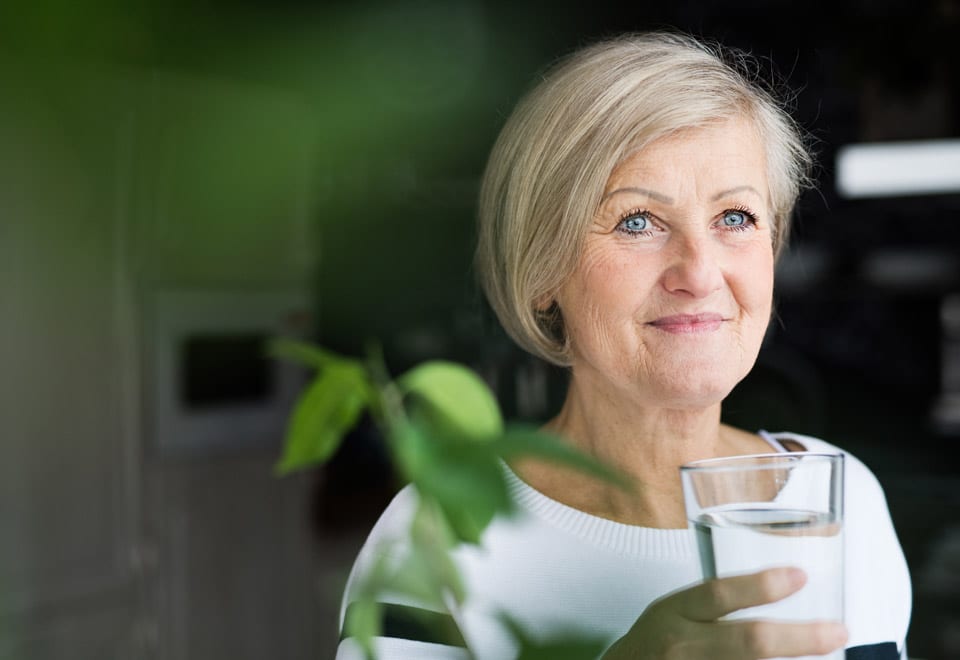
Your body is made up of 70% water and drinking enough water is important for your health especially on warmer days. Don’t wait until you feel thirsty to drink water, drink water even if you don’t feel thirsty to avoid dehydration. Reduce consumption of alcoholic, sugary drinks and caffeine as they can make you more dehydrated.
Keep a refillable water bottle with you during the day so you can refill when needed. Refillable water bottle is also a visual reminder for you to drink more water.
Another way to keep hydrated is to include foods high in water in your meals on warmer days such as watermelon, honeydew melon, and vegetables such as zucchini, lettuce and celery. Opt for salad, dips, cold-pressed juices and smoothies instead of hot foods.
Stay indoors
Avoid going outside on hot days. If you must go out to get groceries, do it earlier in the day or in the evening when the temperature is more pleasant.
Don’t exercise or do lots of activities outdoors when it’s getting too hot. If you need to go out in the sun, it’s important to apply sunscreen and reapply every 2 hours if you are spending time outdoors.
Always check the weather report to keep track of the temperature changes.
Plan your week ahead
If you have appointments on 40°C+ days, reschedule your appointments if not urgent. If you have to go outside, stand in the shade wherever possible. Avoid crowded places like the tram or train. If you are driving, keep your car cool by parking in a shady area or using windshield sun shade or dash cover. Leave the doors and windows open before getting into your car to help circulate air flow and prevent you from getting heat stroke when getting into your car.
Keep your house cool
Keeping your house cool is one of the most effective ways to keep cool in summer. If you want to stay comfortable at home on hot summer days, keep your blinds down to block out the heat. Make sure your curtains are light coloured as darker colours absorb more heat. You can also shade your windows and walls using external coverings and awnings.
Plant some big potted plants around the house or trees to cast shade over your home. The use of air conditioners or fans if you have them are effective to keep your house cool. Close all the doors and windows and seal the gaps around doors and windows to ensure the cool air doesn’t escape from your house and the heat can’t get in.
Plan your activities wisely
You may want to plan your activities earlier in the day when it’s still cool or later in the evening. Stay inside at noon when the temperature is the highest. Have a plan for who to call if you need support. If you need help getting to a cooler place, ask a friend, family or neighbour. Ask your doctor if you have any specific health conditions that you need to be aware of and how to keep well in the heat.
Dress light
On warmer days, wear light weight and breathable fabrics to keep your body cool. Fabrics like linen or cotton are less likely to trap heat and block air flow which are ideal for warmer days. Avoid heavier fabrics and synthetic materials like polyester and nylon. Opt for clothes that are loose and avoid slim-fitting clothes as they don’t allow air flow as much as loose clothing. Avoid wearing dark coloured clothes as they are more likely to absorb the heat.
High fire danger days
A high fire danger day is a day with a fire danger rating of Extreme or Catastrophic. On these days, the most important thing you should do is activate your Bushfire Survival Plan.