A workshop for Engagement Leads exploring mindfulness, laughter therapy, and presence
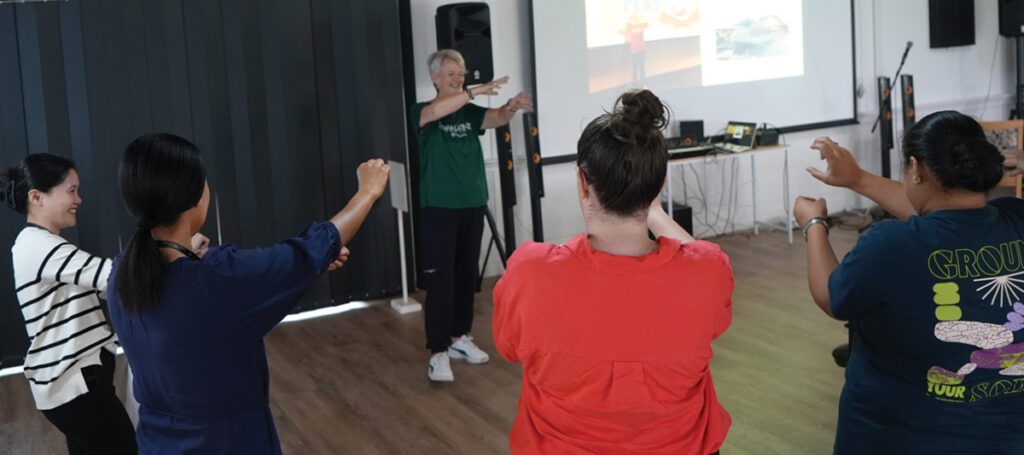
During a recent session at Kapara Residential Care Home, Annie Harvey, Human Capability Speaker and a Gelotologist (a specialist who studies the psychological and physiological effects of laughter on the human body) shared a powerful and practical approach to mindfulness with a group of ACH Group Engagement Leads.
Engagement Leads play a key role in enhancing residents’ quality of life by supporting meaningful engagement, social connection and independence at our residential care homes.
Annie is a well-known and respected part of the Kapara community, with a connection that’s grown over many years. She’s been involved in the intergenerational program with St Peter’s Woodlands Primary School, where residents and students share moments of fun through activities like the Giggle Game. Her connection to Kapara is also personal – her mum called Kapara home during her later years, giving Annie a genuine link to the community she continues to be part of.
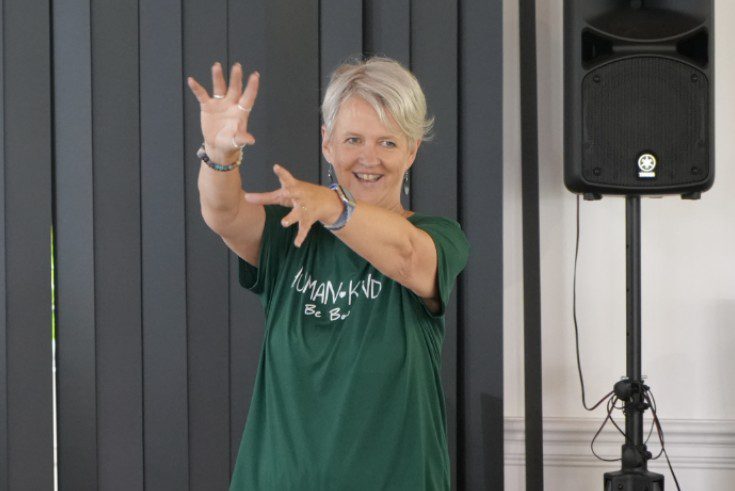
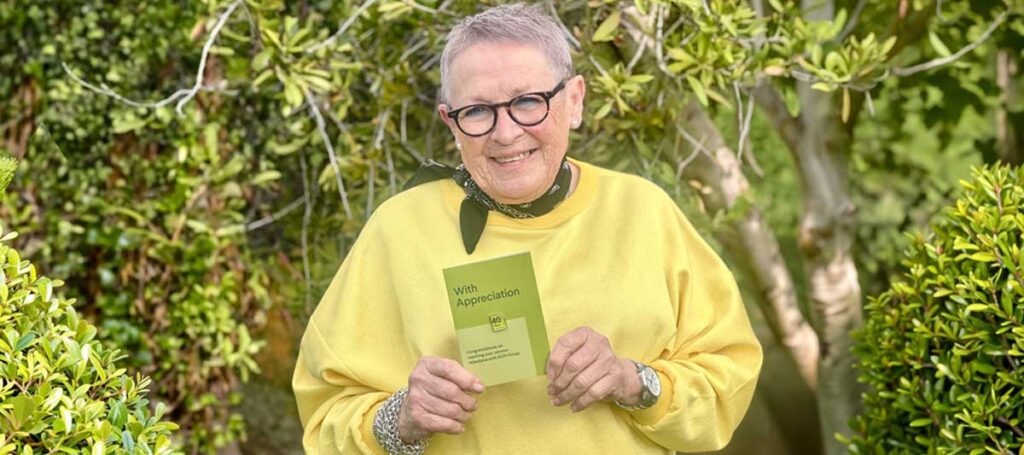
Annie Harvey, Human Capability Speaker and a Gelotologist, TEDx Speaker, Author, Mindfulness Trainer and Intergenerational Program Founder.
At the heart of the session was a simple truth – we can’t control life’s unpredictability or avoid stress, but we can choose how we respond to it.
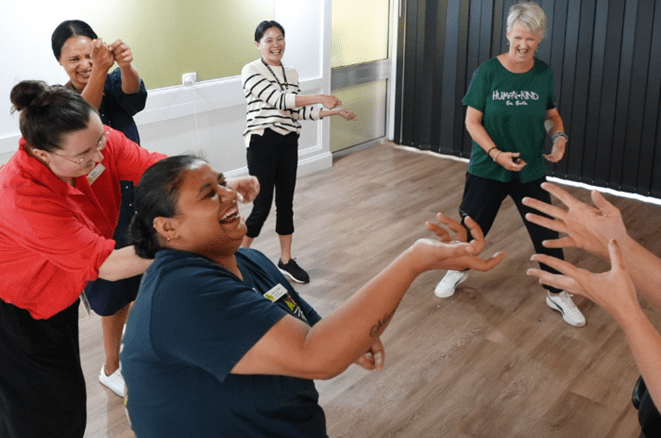
The group also joined Annie for a series of simple laughter therapy exercises – both refreshing and uplifting, and a clear reminder of how easily a shift in perspective can change the way you feel.
Here are the top 6 tips Annie shared
Making space for all feelings
We were reminded that every emotion has a place. Rather than pushing difficult feelings away, acknowledging them can be the first step toward managing them. There’s a quiet strength in allowing ourselves to feel, without judgment.
The gift of listening
Listening, truly listening, is an act of care, both for others and ourselves. When we slow down enough to be present, we create meaningful connections and reduce the sense of overwhelm.
Finding “pockets of presence”
Mindfulness doesn’t require long periods of silence or meditation. Instead, it can live in small, everyday moments “pockets of presence.” Feeling your feet on the floor, taking a steady breath, or pausing between tasks can gently bring you back to the present.
Don’t join their chaos – allow them to join your calm
One of the most powerful takeaways was this: you don’t have to match the energy around you. Instead of being pulled into stress or urgency, you can “join your calm.” This creates a steadier environment not just for yourself, but for those around you.
The body leads the mind
Movement plays a crucial role in regulating how we feel. Even small actions – stretching, walking, or shifting posture can signal to the brain that it’s safe. Simple practices like humming, yawning, or even laughter yoga can help release tension and reset your nervous system.
Gratitude, smiles, and small shifts
Building positive habits doesn’t have to be complicated. Practicing gratitude and appreciation can shift perspective, even on difficult days. Annie introduced the idea of a “good vibes bank” something as small as sharing or noticing three smiles a day can make a difference.
A moment of laughter can shift everything. Laughter therapy supports connection, calm and wellbeing.
What did the participants say?
The feedback from the session included:
“The session helped me feel calmer, more focused, and better able to give my attention to both my work and residents.”
“I left the session feeling relaxed, more present, and intentional in how I respond to challenges at work and in everyday life.”
“The session helped me release stress and reminded me how powerful laughter can be in refreshing my mindset and supporting wellbeing.”
Michelle Williamson, Community Connector Lead at ACH Group, concluded, “The goal was twofold: to support staff in managing stress and wellbeing for themselves, and to equip them with techniques they can use with residents to enhance mood, engagement, and overall quality of life. This approach encourages a positive and resilient workplace culture, while also bringing joy and relaxation to residents.”
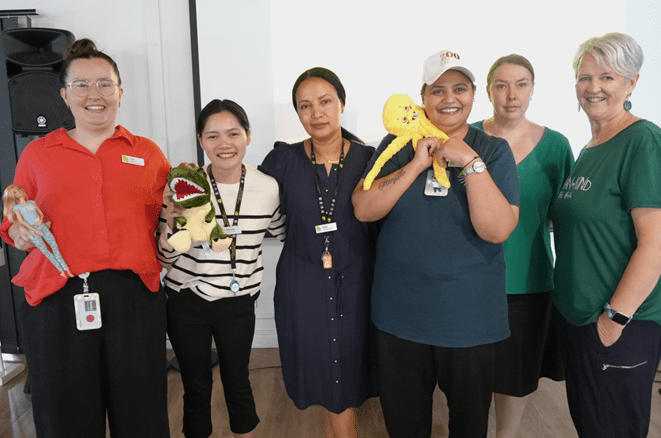
A shared moment from our time together, reflecting on mindfulness and connection. Originally a primary school teacher, Annie likes to use props in her session. She brought along ‘mindful’ Barbie plus used a dinosaur and other hand puppets and props to demonstrate the parts of our brain and what happens under stress.
Looking after yourself isn’t about perfection or eliminating stress altogether
It can start with small, consistent acts of awareness, kindness, and presence, meeting each moment as it comes, and remembering that calm is something you can return to, again and again. Over time, these small choices begin to shape how you move through the day, not by removing life’s pressures, but by changing your relationship with them.
Annie often brings it back to the basics: “We tend to think we need to fix everything at once, but that’s not how it works. It can be as simple as pausing, noticing your breath, or allowing yourself a moment to reset. Those small pauses matter – they help you feel more steady, more present. And the more you practise that, the easier it becomes to find your way back to calm, even on difficult days.”
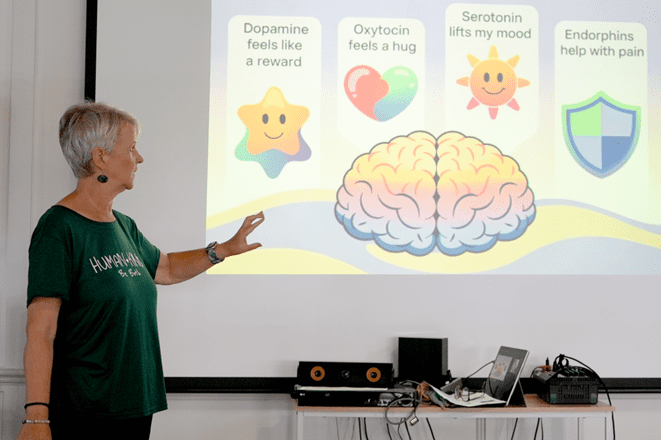
Annie explained what role the ‘feel-good chemicals’ play in mood, motivation and connection.
Our diverse range of benefits enrich our workplace experience, empowering employees to thrive in their professional roles whilst enhancing and supporting their personal lives.